High-Protein Foods: Are They Really Healthy?
The words “high in protein” do not tell the whole story. Learn what to check before buying a high-protein product.
 Nutrition
Protein, marketing claims and nutritional reality
Protein has become the supermarket's new star
A cereal box promising 15 g of protein, a milk drink labelled “high protein”, a bar presented as the ideal post-workout snack: protein has become a sales argument as visible as taste or price. Chilled aisles and snack shelves are filling with enriched versions, often more expensive than their classic equivalents.
The news has brought the subject back into focus. In an investigation published by Foodwatch on September 21, 2026, ten high-protein products were examined, with attention to ultra-processing markers, sugars and additives found in some products. The investigation is a useful prompt to read labels, but it does not mean that every high-protein product is the same or that every processed food should be banned.
The useful question is not “high protein or not?”, but “what does this product actually provide, and compared with what?”. That comparison helps avoid the halo effect created by the word protein.
Protein alone does not make a product healthy
Protein helps maintain muscle and supports many functions in the body. The amount that is useful depends on age, physical activity, health status and the rest of the diet. For a healthy adult, France's Anses sets a recommended intake of 0.83 g per kilogram of body weight per day, while noting that this figure is not a universal target for athletes, pregnant women, older adults or specific medical situations.
The claims printed on packaging are regulated. A product can be described as a “source of protein” when protein provides at least 12% of its energy, and as “high in protein” from 20%. These thresholds describe a relative amount of protein, not the overall quality of the recipe. A product can therefore be high in protein while also being high in sugar or salt, low in fibre or highly processed.
To understand how protein fits into a daily diet, our guide to protein needs is a better starting point than a large slogan on a box.
The health halo trap
The word protein attracts attention and can make the whole product feel healthier. This is a classic halo effect: one positive characteristic takes over and pushes the rest of the composition out of view. A bar can contain protein but also syrup, sugar, saturated fat and several texture agents. A drink can be low in sugar while using sweeteners, flavourings and thickeners to achieve a pleasant texture.
The trend is no longer limited to sports aisles. French consumer group CLCV reports that the high-protein chilled segment grew by 27% in 2025, with yogurts, drinks, pasta and snacks marketed to the general public. Adding protein can be useful in some situations, but it can also justify a higher price or give an ordinary recipe a health image.
The answer is not to replace one marketing shortcut with the opposite shortcut. A high-protein product is not automatically bad, just as a classic product is not automatically better. Compare the recipe, price, serving size and intended use before deciding.
Three habits for reading a label
Start with the nutrition panel. Look at protein, but also calories, sugars, saturated fat and fibre, preferably per 100 g or 100 ml before following the serving size highlighted on the front. A very small serving can make a number look impressive without changing much about the day's intake.
Then read the ingredient list, which is ordered by weight. Syrups, modified starches, protein isolates or hydrolysates, sweeteners, flavourings, emulsifiers and gums point to a more elaborate industrial formulation. They do not prove by themselves that a product is dangerous, but they show that you are not simply looking at a food that is naturally high in protein.
Finally, compare the product with two alternatives from the same aisle. Nutri-Score can help compare the nutritional quality of similar products, while the NOVA classification offers another view of the degree of processing. Assurance Maladie explains which markers to look for. You can also read our guide to ultra-processed foods.

Compare it with a simpler protein source
The most useful comparison is rarely between two brightly packaged products. Put an enriched product next to a familiar protein source: plain yogurt, cottage cheese, eggs, fish, tofu, lentils or chickpeas. You can then see what you actually gain in protein, as well as what you add in sugar, additives, packaging and price.
A high-protein yogurt can be convenient to carry and fit perfectly into a balanced diet. That does not make it essential. Depending on the product, plain yogurt or cottage cheese may provide a similar amount of protein at a lower price. Values vary, so check the label rather than assuming that a product is automatically superior.
Plant-based sources follow the same logic. A combination of legumes, grains and tofu can contribute to protein intake while also providing fibre. Our guide to plant proteins explores these combinations without reducing food to a single number.
When do high-protein products actually make sense?
Their main advantage is often convenience. A drink or bar can help while travelling, after a workout or when you have no way to prepare a meal. The goal is to choose a product that meets that need without making it the basis of every snack and meal.
For everyday meals, build around a varied plate: a protein source, vegetables or fruit, a portion of starch suited to your activity and a quality fat. For a snack, fruit with plain yogurt, bread with hummus or a small handful of nuts can be simple options. Our guide to healthy snacks offers more practical ideas.
If you buy a high-protein product, choose it for its real use, not because the package promises better health. An understandable ingredient list, a reasonable amount of sugar and a suitable serving are better guides than a large number of grams on the front. The goal is not to ban packaged foods, but to give them a proportionate place.
The Institut Pasteur also points out that an industrial food is not automatically ultra-processed: plain frozen vegetables, simple canned foods and some soups can be packaged without having the same formulation. That nuance helps avoid fear of packaging and brings the focus back to the actual ingredients.

What to remember
A product marketed as high in protein is not automatically healthy: the claim describes one nutrient, not its sugar, fibre, calories or degree of processing. Read the nutrition panel and ingredient list, then compare the product with a classic version or a simpler protein source. Bars, drinks and high-protein yogurts can be convenient, but they are not essential to a balanced diet. The recent news is mainly an invitation to look at the whole label and keep enriched products in their proper place.
Look at your whole diet
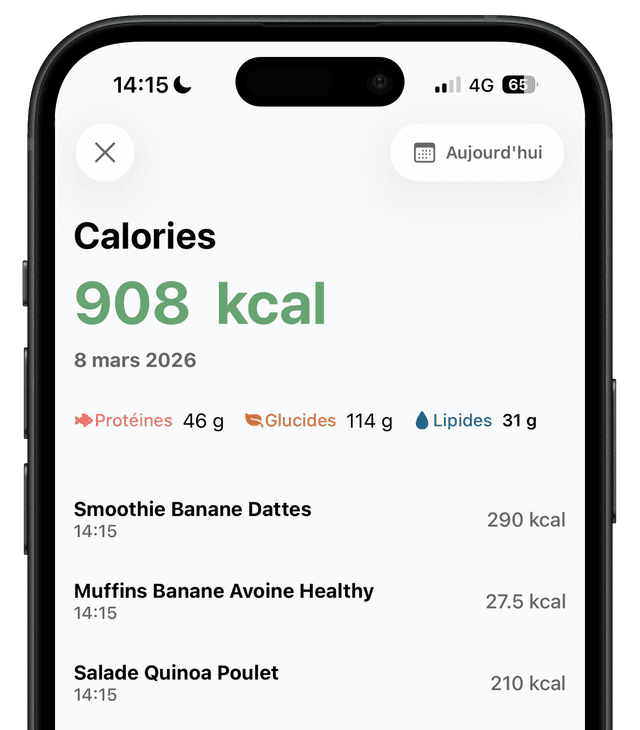
Ember helps you track meals, calories and protein without reducing a product to a single promise on the package.
You might also like
View all articlesUnderstanding macronutrients
Proteins, carbs, fats: learn the role of each macro and how to balance them for your goal.
Essential micronutrients
Vitamins, minerals, trace elements: discover why these nutrients are vital to your health.
Caloric deficit explained
Understand how to create a healthy, sustainable caloric deficit to lose weight without frustration.