Health · October 22, 2026 · 12 min read
Wegovy pill and orforglipron: what GLP-1 pills really change
Two obesity pills were approved in 2025 and 2026. Status in the UK and Europe, trial results, side effects and, above all, how to keep eating well when your appetite all but disappears.
GLP-1 pills: where do the Wegovy pill and orforglipron stand?
Published on October 22, 2026 · By the Ember team
In short
The Wegovy pill (oral semaglutide, Novo Nordisk) has been authorised across the European Union since 15 July 2026 and in the UK since June 2026; orforglipron (Foundayo, Eli Lilly) is approved in the US and UK and won a positive EMA opinion in October 2026.
In trials, the Wegovy pill led to 13.6% weight loss over 64 weeks (2.2% on placebo) and orforglipron to 11.2% over 72 weeks at the highest dose (2.1% on placebo).
Both pills are prescription-only. In the UK they are available privately but not yet on the NHS.
Less appetite also means less protein, fibre and micronutrients if you are not careful: every small plate has to count, and strength training helps you hold on to muscle.
Wegovy pill and orforglipron: what has been approved?
For years, GLP-1 obesity medicines came as a weekly injection. At the end of 2025, that changed. On 22 December 2025, the US Food and Drug Administration (FDA) approved the Wegovy pill, an oral form of semaglutide taken once a day. On 1 April 2026, it approved Eli Lilly’s orforglipron, sold as Foundayo, after a review that took only 50 days.
The two drugs are not built the same way. Semaglutide is a peptide, a kind of small protein that the stomach breaks down easily: it needs a special formulation and an empty stomach for enough of it to reach the bloodstream. Orforglipron is a small synthetic, non-peptide molecule that switches on the same receptor without those constraints. Either way, the goal is the same: less hunger, feeling full sooner and, in the end, eating fewer calories.
The UK and the European Union followed a few months later. Here is where approvals stood on 21 October 2026.
| Regulator | Wegovy pill (semaglutide) | Foundayo (orforglipron) |
|---|---|---|
| FDA (United States) | Approved 22 December 2025 | Approved 1 April 2026 |
| MHRA (United Kingdom) | Authorised 11 June 2026 | Authorised 10 August 2026 |
| EMA and European Commission (EU) | Positive opinion May 2026, authorised 15 July 2026 | Positive CHMP opinion October 2026, Commission decision pending |
Status checked on 21 October 2026 against EMA, company and medical press announcements. It can change quickly.
Wegovy pill in the UK, France, Germany, Spain and Norway
A licence does not put a medicine on pharmacy shelves overnight. Each country then sets a price and decides whether to fund it. In October 2026 the picture therefore varies a lot from one country to the next, and orforglipron is not yet sold anywhere in the European Union.
In the UK, both pills can be prescribed privately. Lilly launched Foundayo on 24 August 2026 and expected it to cost about £100 to £120 a month privately, while private providers charge roughly £74 to £129 a month for the first, lower doses of the Wegovy pill. Neither pill is available on the NHS yet: the National Institute for Health and Care Excellence (NICE) is still assessing orforglipron, and no NHS route has been announced for oral semaglutide.
Germany was the first EU country to sell the Wegovy pill, from 1 September 2026, with patients paying the full price: German law excludes weight-loss medicines from statutory health insurance. In France, press reports expect the pill in early November 2026, without reimbursement at launch; French reimbursement currently covers only Wegovy and Mounjaro injections, since 15 June 2026, under strict BMI conditions.
| Country | Wegovy pill | Orforglipron (Foundayo) |
|---|---|---|
| United Kingdom | Private prescription since summer 2026, not on the NHS | Launched 24 August 2026 on private prescription, not on the NHS |
| France | Expected November 2026, not reimbursed at launch according to press reports | Not yet authorised in the EU |
| Germany | In pharmacies since 1 September 2026, not covered by statutory insurers | Not yet authorised in the EU |
| Spain | Authorised and registered by AEMPS, not yet marketed | Not yet authorised in the EU |
| Norway | Authorised through the European Economic Area, not yet marketed as far as we know | Not yet authorised |
Situation on 21 October 2026, based on the EMA, the Pharmaceutical Journal, Reuters, Vidal, Pharmazeutische Zeitung, the AEMPS CIMA register and the Norwegian medicines agency (quoted by Nettavisen). UK prices are indicative private prices.
OASIS 4 and ATTAIN-1: how much weight did people lose?
Two large phase 3 trials, published in the New England Journal of Medicine in September 2025, underpin the approvals. OASIS 4 followed 307 adults with overweight or obesity and no diabetes for 64 weeks: on the semaglutide pill they lost 13.6% of their body weight on average, against 2.2% on placebo. ATTAIN-1, far larger, enrolled 3,127 adults in nine countries for 72 weeks: at the highest dose, orforglipron led to 11.2% weight loss, against 2.1% on placebo.
You will also see higher figures, 16.6% for oral Wegovy and 12.4% for orforglipron. They are not wrong: they only count people who took their treatment as planned. The lower figures include everyone, including those who stopped along the way, and are closer to real life.
Be careful with quick comparisons: the two trials did not test the drugs against each other, and their participants, length and methods differ. To date there is no head-to-head obesity trial that shows which pill leads to more weight loss.
| Result | OASIS 4 (Wegovy pill) | ATTAIN-1 (orforglipron, highest dose) |
|---|---|---|
| Participants and length | 307 adults, 64 weeks | 3,127 adults, 72 weeks |
| Average weight loss | 13.6% (placebo: 2.2%) | 11.2% (placebo: 2.1%) |
| If treatment taken as planned | 16.6% | 12.4% |
| Lost at least 20% of body weight | About 30% of participants (placebo: 3%) | 19% of participants (placebo: 3%) |
| Stopped because of side effects | 7% (placebo: 6%) | 5 to 10% depending on dose (placebo: 3%) |
Results published in the NEJM (Wharton et al., 2025) and reported by the EMA and Eli Lilly. All participants also followed a reduced-calorie diet and increased their physical activity.
Pill or injection: what is the difference?
In substance, not much changes: the Wegovy pill contains the same molecule as the pen, and the EMA considers its safety profile similar to that of the weekly injections. On effectiveness, the OASIS 4 results are close to those of STEP 1, the trial of the Wegovy injection (14.9% weight loss against 2.4% on placebo over 68 weeks). To get there, however, the pill has to contain a much higher daily dose than the weekly injection, because the gut absorbs semaglutide poorly.
The real difference is practical. The injection is once a week. The Wegovy pill is taken every day on an empty stomach, after at least eight hours without food, with a sip of water, and you then need to wait at least 30 minutes before eating, drinking or taking other medicines. Orforglipron is also taken daily, but at any time, with or without food. For some people, avoiding needles matters a lot; for others, one dose a week is simpler than a daily routine.
One last thing they share, and it matters: whatever the format, part of the weight lost is not fat. We explain what the scale does not show in our guide to GLP-1 and weight loss.
| Wegovy injection | Wegovy pill | Foundayo (orforglipron) | |
|---|---|---|---|
| How often | Once a week | Once a day | Once a day |
| Timing rules | None linked to meals | Empty stomach, then 30 minutes without food or drink | None linked to meals |
| Type of molecule | Peptide (semaglutide) | Peptide (semaglutide) | Small non-peptide molecule |
| Age (European Union) | From 12 years | Adults only | Adults (CHMP opinion) |
Based on the EMA, the MHRA and the US Foundayo label. For how to take it, only the patient leaflet and your doctor count.
What are the side effects of GLP-1 pills?
Side effects are mainly digestive, as with the injections: nausea, diarrhoea, constipation, stomach pain, indigestion and vomiting. In OASIS 4, 74% of people on the pill had at least one digestive side effect, against 42% on placebo. These are usually mild to moderate and mostly appear at the start of treatment or when the dose goes up, which is why the dose is increased gradually, in steps of at least a month.
The labels also list rarer but serious risks shared by this drug class: acute pancreatitis, gallbladder problems, dehydration that can harm the kidneys after heavy vomiting or diarrhoea, and low blood sugar in people taking other diabetes medicines. In the US, the labels rule these medicines out for anyone with a personal or family history of medullary thyroid cancer. Severe, persistent stomach pain, repeated vomiting or signs of dehydration mean you should call your doctor straight away.
These symptoms also have a direct effect on nutrition: when you feel sick, you eat less and drink less. Staying well hydrated becomes a priority. Finally, these medicines are prescription-only: buying them from unregulated websites or social media exposes you to fakes, which European regulators have repeatedly warned about.
Less appetite: the risk of missing out on protein, fibre and micronutrients
This is the blind spot in a lot of coverage of these pills. A GLP-1 does not melt fat by magic: it dampens appetite, so you eat less. For some people the drop is dramatic, to the point of skipping meals without noticing or stopping after a few bites. Yet the body still needs protein, vitamins and minerals, even when the plate shrinks.
Four US nutrition and obesity societies published a joint advisory on this in 2025. They list among the pitfalls of GLP-1 therapy digestive side effects, the risk of micronutrient deficiencies, loss of muscle and bone, and weight regain when treatment stops. Their priorities: a nutrient-dense, minimally processed diet, preventing shortfalls in micronutrients, enough protein combined with strength training, and nutrition support from the start of treatment.
Three things deserve special attention. Protein, first, because it helps preserve muscle while you lose weight. Fibre, next, because vegetables, fruit and wholegrains are often the first to go when you eat little, even though they help with the constipation that is common on treatment. And water, because you drink less when you are less hungry and feel full quickly.
How to eat well on a GLP-1 pill
When your appetite drops, every bite counts for more. The most useful rule is simple: start the meal with the protein, then the vegetables, and leave the rest for the end if you still have room. A 2025 review in Obesity Pillars on getting the most out of GLP-1 therapy cites intakes of more than 1.2 g of protein per kilo of body weight per day, spread through the day, or about 25 to 30 g at breakfast, lunch and dinner. The authors point out that these targets come from studies in people not taking GLP-1 drugs and still need confirming in people on treatment.
In practice, 25 to 30 g of protein is roughly 100 g of cooked chicken breast, a 250 g pot of skyr, or a bowl of lentils with two eggs. Our guide to protein covers the best sources, animal and plant. For fibre, the same review suggests about 14 g per 1,000 kcal: even on a small plate, keep room for vegetables, pulses, fruit or wholegrains.
If nausea is the main problem, go for smaller, more frequent meals, eat slowly, stop at the first sign of fullness and limit very fatty or fried food, which is often harder to tolerate. A registered dietitian or doctor can adapt these targets to you, especially if you have kidney disease or take other medicines.
6 habits to protect your muscle and energy on treatment
- Protein at every meal
Plan a real source of protein at breakfast, lunch and dinner rather than one big serving in the evening: eggs, dairy, fish, meat, tofu or pulses.
- Strength training at least twice a week
The WHO recommends muscle-strengthening activity on at least two days a week. During fast weight loss, it is the clearest signal for your body to keep its muscle; our comparison of strength training and cardio explains why the two work together.
- Drink throughout the day
Keep a bottle within reach and sip regularly. The Obesity Pillars review mentions more than 2 to 3 litres of fluid a day to limit constipation, a figure to adjust with your doctor.
- Small portions, no skipped meals
Three small meals and a protein-rich snack beat one meal you cannot finish.
- Fibre on every plate
A handful of vegetables, a portion of pulses or a piece of fruit is enough to lift your total; increase gradually if bloating bothers you.
- Track what you eat, not just your weight
Logging your meals for a few weeks quickly shows whether protein or fibre is slipping, and gives you something concrete to discuss with your doctor or dietitian.
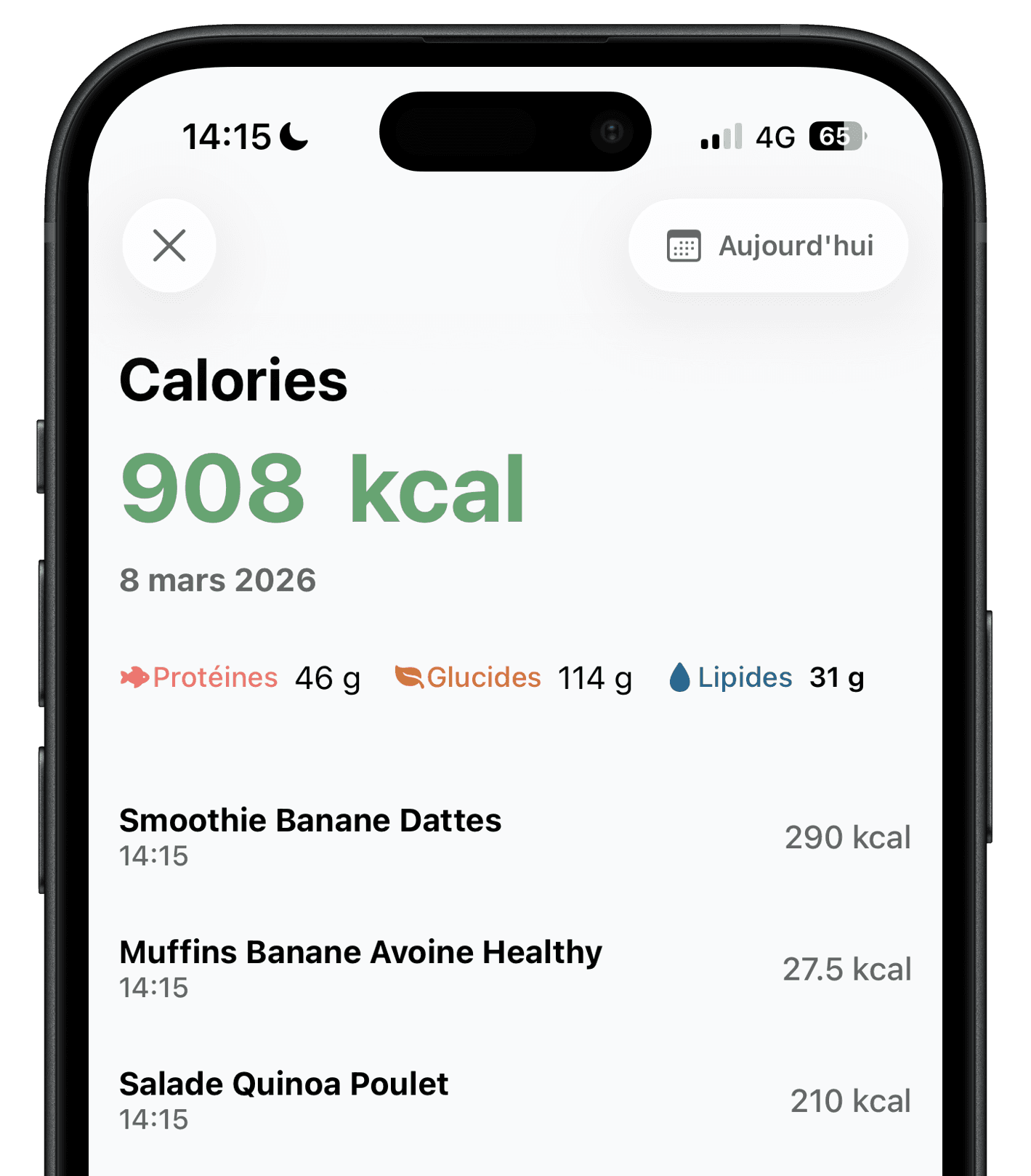
The treatment itself, its dose and how long you take it are decisions to make with your doctor. For the plate, with Ember you snap a photo of your meal or describe it in one sentence: calories, protein, carbs and fat are added to your day, so you can see straight away whether your meals, even small ones, cover the essentials.
Key takeaways
GLP-1 pills are no longer a promise: the Wegovy pill is authorised in the UK and the European Union, and orforglipron is already prescribed privately in the UK and should follow in the EU after its positive EMA opinion in October 2026. In trials these pills led to average weight loss of 11 to 14%, with mainly digestive side effects similar to those of the injections. They are prescription-only, are not yet funded by the NHS, and whether one suits you is always a decision to make with a doctor. Because these medicines curb appetite, the quality of every meal becomes decisive: protein at each meal, fibre, water and strength training help you lose fat without sacrificing muscle.
Sources
- European Medicines Agency. First oral GLP-1 treatment for weight management (Wegovy tablets), 22 May 2026.
- European Medicines Agency. Meeting highlights from the CHMP, 12-15 October 2026 (Foundayo, orforglipron).
- Wharton S, et al. Oral Semaglutide at a Dose of 25 mg in Adults with Overweight or Obesity (OASIS 4). N Engl J Med, 2025.
- Wharton S, et al. Orforglipron, an Oral Small-Molecule GLP-1 Receptor Agonist for Obesity Treatment (ATTAIN-1). N Engl J Med, 2025.
- VIDAL. Obésité : prise en charge de Wegovy et Mounjaro à partir du 15 juin 2026, sous conditions.
- Pharmazeutische Zeitung. Was die Wegovy-Tabletten können und kosten, 31 August 2026.
- The Pharmaceutical Journal. MHRA approves orforglipron weight-loss pill, August 2026.
- Noronha JC, et al. Optimizing GLP-1 therapies for obesity and diabetes management. Obesity Pillars, 2025.
This article covers treatment news and does not replace medical advice: it gives no dosing or prescribing advice. Talk to your doctor. Regulatory status, prices and funding checked on 21 October 2026; they may change. Example portions are estimates. Wegovy, Foundayo and Mounjaro are trademarks of their respective owners. Ember is not affiliated with or endorsed by Novo Nordisk or Eli Lilly.
Frequently asked questions about GLP-1 pills
Yes, on private prescription. The MHRA authorised it on 11 June 2026 and private providers have offered it since the summer of 2026. It is not available on the NHS: there is no NICE recommendation for oral semaglutide in weight management at the time of writing.
It has been authorised across the European Union since 15 July 2026, but each country sets its own price and funding. On 21 October 2026 it was on sale in Germany, at the patient’s expense, expected in France in November 2026, and authorised but not yet marketed in Spain.
A GLP-1 pill developed by Eli Lilly. It is a small non-peptide molecule taken once a day at any time, with or without food. It was approved in the US on 1 April 2026 and in the UK on 10 August 2026, and received a positive EMA opinion in October 2026; the European Commission decision is pending.
For semaglutide, results are close: 13.6% average weight loss in OASIS 4 with the pill, against 14.9% in STEP 1 with the injection, over slightly different lengths and populations. Orforglipron led to 11.2% at the highest dose in ATTAIN-1. No trial has compared these treatments directly in obesity.
Digestive ones: nausea, diarrhoea, constipation, vomiting and stomach pain, mostly at the start of treatment and when the dose goes up. Rarer but serious effects exist, such as pancreatitis and gallbladder problems: talk to your doctor and report any unusual symptom.
Smaller but more nutrient-dense meals: a source of protein at every meal (about 25 to 30 g), vegetables, pulses or fruit for fibre, and water throughout the day. Add strength training to protect your muscle, and ask a health professional for personalised advice.
No. They are prescription-only medicines. Regulators, including the EMA and national agencies, warn about fake GLP-1 products sold online and on social media, which may not contain the stated ingredient or may contain harmful substances.
Health · Mar 7
Water retention: understand and act
Causes, symptoms and practical solutions to reduce water retention and restore lightness and well-being.
Health · Mar 13
Hydration: how much water should you drink per day?
Daily water needs, signs of dehydration, hydrating foods and practical tips to stay well-hydrated throughout the day.
Nutrition · Mar 2
Understanding macronutrients
Proteins, carbs, fats: learn the role of each macro and how to balance them for your goal.