The incline walking method: how to get started
The 12-3-30 workout can support regular activity and a calorie deficit. Here is how to adapt it to your level.
 Fitness
Photo: Intenza Fitness / Unsplash
Incline walking: the method and what it can actually do
The short version
Incline walking means walking on a treadmill with the grade raised. The popular 12-3-30 version uses a 12% grade, 3 mph (about 4.8 km/h), and 30 minutes. Those numbers describe one workout, not a minimum for a useful session.
It can be a good option if you enjoy walking and can do it regularly. Incline raises the effort at a walking pace. For weight loss, it can add to energy expenditure, but a calorie deficit depends on your overall intake and expenditure over time.
How do you do 12-3-30?
Warm up for a few minutes at a comfortable pace on a flat treadmill. Set the grade to 12% and the speed to 3 mph, or about 4.8 km/h if your treadmill uses metric units. Walk for up to 30 minutes while the effort remains manageable, then gradually slow down and lower the grade.
Keep a natural posture and look forward. If you have to hang on to the rails, lower the speed or grade; rail support changes the work you do. The ACE study notes that less fit people may need to build up to it.
Why try incline walking?
Walking uphill takes more work than walking at the same speed on flat ground. A small 12-3-30 study measured energy use during the session, but did not test long-term weight loss. In practice, grade, speed, and duration make the effort easy to adjust.
It also helps you accumulate aerobic activity without running. It is not best for everyone: flat walking, cycling, or another activity you enjoy may be easier to sustain.
How does it fit into a calorie deficit?
A calorie deficit happens when energy intake stays below energy expenditure over time. Incline walking adds expenditure, but does not guarantee a deficit. Food portions, drinks, post-workout hunger, and movement during the rest of the day still matter. An American Heart Association scientific statement explains why activity combined with dietary changes generally produces more weight loss than activity alone.
The treadmill display is an estimate, not an exact food allowance. Treat the workout as a movement habit and look at trends over weeks. For per-session estimates, read our incline walking calorie guide.
Start without aiming for 12-3-30
Try 10 to 15 minutes at a stable pace and a gentle grade, for example 2 to 3%. If that feels comfortable, increase the duration gradually, then adjust either grade or speed, one at a time. These are practical examples, not a universal prescription.
A steep grade may put more load on your calves and Achilles tendons. Ease off if you feel discomfort and stop if you have pain. You can alternate flat and uphill intervals. Choose a session you can repeat without leaning on the rails.

How often should you do it?
Start with two or three sessions a week if they fit your routine, then adjust based on recovery and your other activities. Daily 12-3-30 is not required. Everyday walking and other exercise count too.
The WHO recommends 150 to 300 minutes of moderate aerobic activity a week for adults, or an equivalent amount of vigorous activity, along with muscle strengthening. You can reach that total through several activities.
Common mistakes
Frequently asked questions
Must I follow 12-3-30 exactly? No. Reduce the grade, speed, or duration to find a sustainable effort.
Is it better than running for weight loss? There is no universal winner. Energy use depends on intensity and duration; consistency and overall eating habits matter more than comparing single sessions.
How many calories will I burn? Body weight, grade, speed, time, and rail use all matter. See our incline walking calorie guide.
Does it target belly fat? No exercise selectively removes fat from one area. Body composition changes with overall habits over time.
Takeaway
Incline walking can be one good option for regular movement and for supporting a calorie deficit. Adapt the demanding 12-3-30 format to your level. If you have cardiovascular disease, persistent pain, or are returning after a long break, seek advice tailored to you before substantially increasing your effort.
Sources
Track habits over time
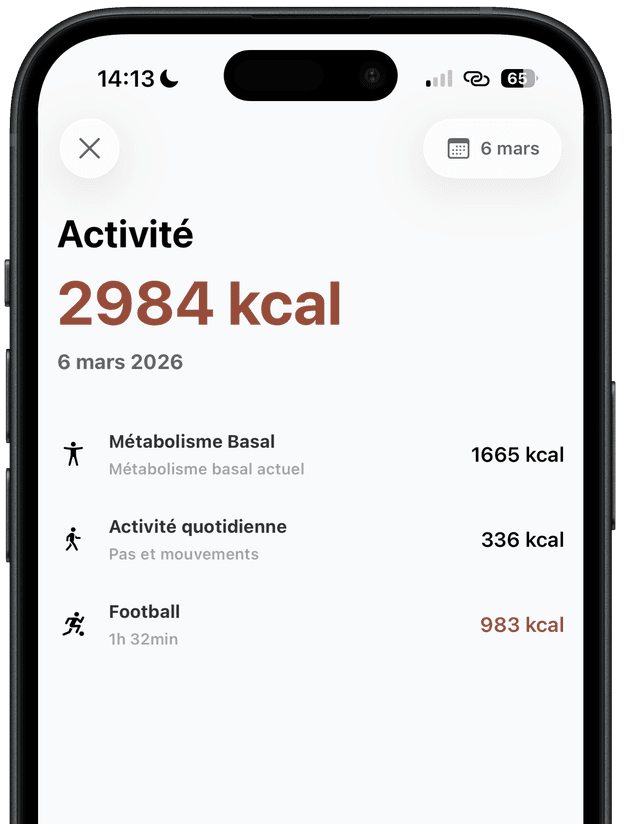
Ember helps you see your food and activity habits together, without chasing a perfect workout.
You might also like
View all articlesHow Many Calories Does Pilates Burn?
Calorie data by level and body weight, comparison with other activities, and tips to maximize expenditure.
How Many Calories Does Swimming Burn?
Calorie data by stroke, weight and intensity, comparison with running and cycling, tips to maximize burn.
Understanding macronutrients
Proteins, carbs, fats: learn the role of each macro and how to balance them for your goal.