Weight & fitness · July 27, 2026 · 7 min read
Visceral Fat: Foods to Limit and Foods to Favor
Without absolute bans, learn which drinks and foods to choose more often for better metabolic health.
Eat better for metabolic health, without policing every food
Change frequency, not your whole life
Visceral fat does not disappear because of one magic food, or because one product is removed. It responds to the whole pattern: what you drink, what you eat most often, portion sizes, and physical activity. The point is not to label foods as good or bad, but to make more room for choices that nourish and satisfy.
A celebratory meal, pizza, or dessert does not undo your progress. Daily sugary drinks, ultra-processed snacks, and low-fiber meals can add up without you noticing. A few simple swaps are more realistic and more sustainable than a list of bans.
Drinks to limit first
Drinks are easy to underestimate: they can provide plenty of sugar or calories without satisfying you like a meal. Keep sodas, energy drinks, sweet iced teas, and very sweet coffees for occasional use. Even freshly squeezed juice is a source of free sugars, while whole fruit is usually more filling. Alcohol deserves the same attention because its calories, and the choices it can encourage, can add up quickly.
Still or sparkling water, tea, herbal tea, and unsweetened coffee are useful everyday defaults. If you are replacing a habit, do it gradually: one less can a day, water with meals, and an unsweetened drink to take with you. Our guide to added sugar can help you recognize sugars hidden in drinks and packaged foods.
Foods to limit, without demonizing them
Ultra-processed foods, pastries, cookies, crisps, processed meats, and some ready-made meals often combine lots of salt, free sugars, or fat with little fiber. They are not forbidden, but become less helpful when they regularly replace simple, satisfying meals.
Look at frequency and context. Save a favorite biscuit for a moment you enjoy rather than eating it automatically in front of a screen. Put a portion on a plate, add fruit or plain yogurt, and do not chase perfection. Our guide to ultra-processed foods offers practical ways to identify them.
Foods to favor more often
Build most meals around vegetables, whole fruit, pulses, whole grains, and protein. Lentils, chickpeas, beans, oats, whole-grain bread, and vegetables provide fiber that supports fullness. Add eggs, fish, chicken, tofu, plain yogurt, or protein-rich plant alternatives according to your preferences.
Healthy fats belong here too: olive oil, nuts, seeds, avocado, and oily fish help make meals enjoyable and complete. They do not need to be avoided, but they are not unlimited either. Explore fiber-rich foods and choose one to add to your next meal.
A sample day, adapted to your hunger
These ranges are not personal targets: needs vary with body size, activity, age, and health. They simply show how to assemble balanced meals without pursuing one fixed total.
Breakfast, around 350 to 450 kcal: plain yogurt or cottage cheese, oats, berries, and a few nuts. Lunch, around 550 to 700 kcal: a bowl of lentils, roasted vegetables, chicken or tofu, brown rice, and olive oil. Snack, around 150 to 250 kcal: fruit and plain yogurt, or a small handful of nuts. Dinner, around 450 to 650 kcal: salmon or chickpeas, mixed vegetables, and potatoes or quinoa. Drink water, tea, or herbal tea throughout the day.
Adjust without counting every bite
Before changing your entire kitchen, observe a normal week: which drinks recur, which snacks happen automatically, and which meals truly keep you full? Then choose one change, such as adding vegetables at lunch, replacing a sugary drink, or preparing a more satisfying snack.
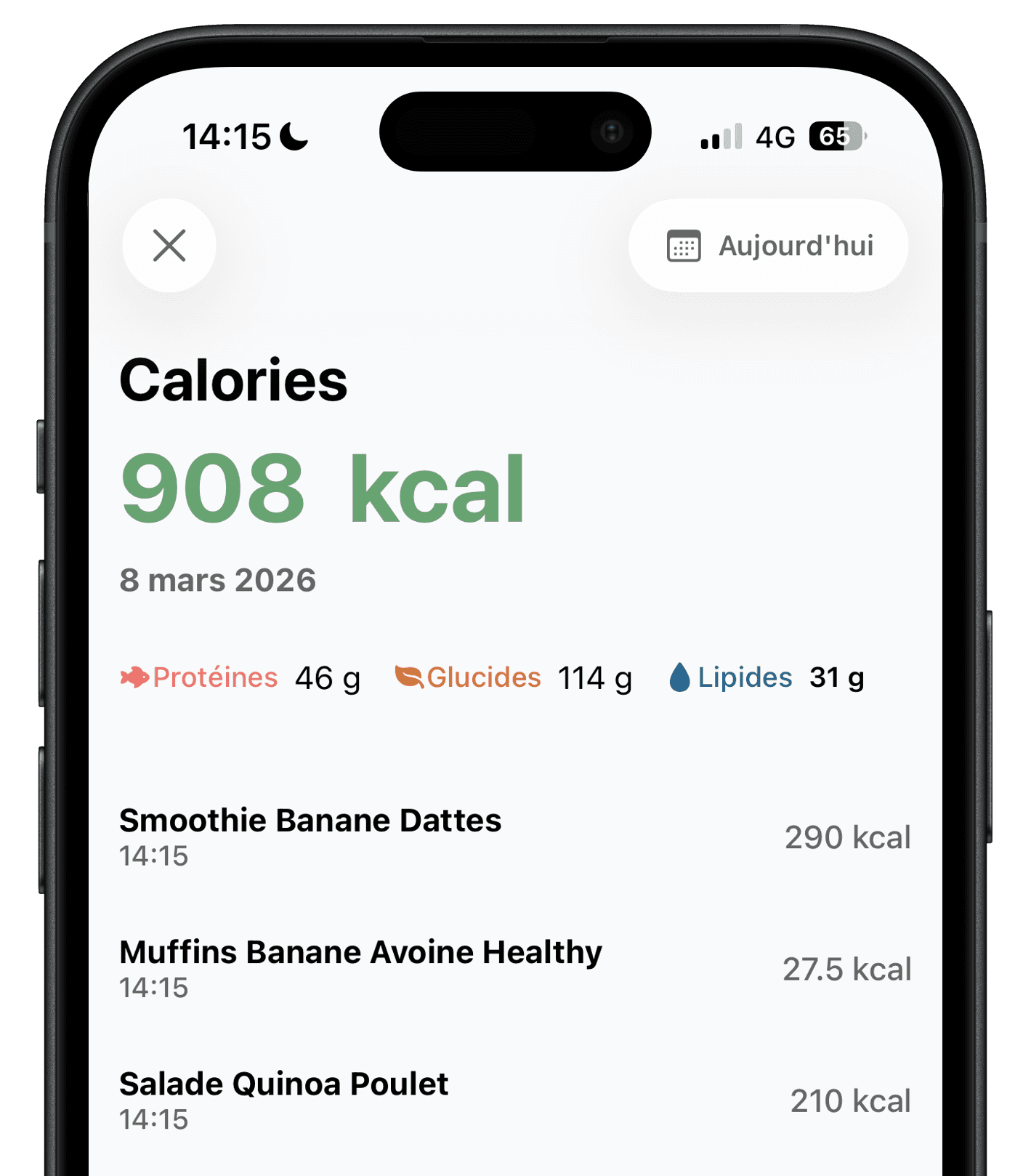
If you want to understand portions better, Ember lets you photograph or describe a meal for an estimate of its calories and macros. Use it as a guide, not a judge. A moderate calorie deficit can support weight loss when appropriate, but the goal remains eating enough and sustaining the pattern over time.
Key Takeaways
To support lower visceral fat, sugary drinks and alcohol are often the first automatic habits worth reviewing. Limiting ultra-processed foods does not mean banning them: it means leaving more room for vegetables, whole fruit, pulses, whole grains, and protein. Sample meals offer ideas, not a universal calorie target. Observe your habits, change one thing at a time, and use tracking only if it helps you understand your portions.
Medical Disclaimer
This article is for general educational purposes and does not replace a diagnosis or personalized medical or dietary advice. Food needs vary with age, activity, medicines, pregnancy, and medical history. If you have diabetes, cardiovascular disease, an eating disorder, or another condition requiring care, seek advice from a health professional before making substantial dietary changes.
Weight & fitness · Mar 6
Caloric deficit explained
Understand how to create a healthy, sustainable caloric deficit to lose weight without frustration.
Weight & fitness · Oct 22
Lose 5 kg in a month: is it possible?
The honest maths (7,700 kcal per kg of fat), what the scale shows in week one, the recommended pace and a realistic 4-week plan.
Nutrition · Mar 2
Understanding macronutrients
Proteins, carbs, fats: learn the role of each macro and how to balance them for your goal.