Plant-Based Proteins: Sources, Benefits and Practical Tips
Legumes, whole grains, seeds and tofu: everything you need to know to meet your protein needs without animal products.
 Nutrition
Everything you need to know about plant-based proteins
Plant-based or animal: why this question matters so much
Ten years ago, saying you didn't eat meat was enough to trigger a wave of worried questions: "But how do you get enough protein?" Today the debate has shifted. More and more people are looking to reduce their consumption of animal products, not for ideological reasons, but out of curiosity, health concerns, or simply because legumes cost less at the end of the month.
Yet the question of protein remains central to any health or weight management approach. Proteins are the building blocks of the body: they support muscle repair, enzyme production and hormone regulation. An insufficient intake quickly makes itself felt: fatigue, muscle loss, intense cravings.
So are plant-based proteins really up to the task? Yes, as long as you know which ones to choose and how to combine them. That's exactly what we explore in this article.
The best sources of plant-based proteins
Not all plant-based proteins are equal, and that's precisely what makes the topic interesting. At the top of the list are legumes: lentils, chickpeas, black beans, broad beans, and edamame. A 100 g serving of cooked lentils provides around 9 g of protein, with a generous bonus of fiber and minerals.
Tofu and tempeh, made from soy, are among the most complete sources in the plant kingdom. Tempeh in particular is fermented, which improves its digestibility and enriches its probiotic content. A 100 g serving of tempeh provides up to 19 g of protein, a figure comparable to many white meats.
Seeds, often underestimated, deserve their place on the plate. Hemp seeds contain 10 g of protein per 30 g and offer a remarkably complete amino acid profile. Chia seeds, quinoa and pumpkin seeds round out this picture. Quinoa is one of the few plant sources containing all 9 essential amino acids in sufficient quantities.
Finally, certain whole grains such as oats, buckwheat and spelt also contribute to protein intake, even if they remain below legumes.

Amino acid complementarity: myth or reality?
For decades, we were taught that plant proteins were "incomplete" and that you absolutely had to pair a cereal with a legume within the same meal to get a satisfactory amino acid profile. Rice and lentils together, corn and beans at lunch: this strict rule long served as nutritional law.
Today, science has nuanced this principle. While some plant sources do lack certain essential amino acids (legumes are low in methionine, cereals in lysine), it is not necessary to combine them within the same meal. What matters is complementarity across the entire day, or even across several days.
That said, the cereal-legume pairing remains an excellent habit, not because it's mandatory, but because it's naturally delicious and nutritionally dense. A bowl of whole grain rice with roasted chickpeas, a lentil salad with rye bread, a red bean dhal with quinoa: these combinations present themselves naturally in creative, balanced cooking.
The key is to vary plant-based sources throughout the week. A monotonous diet, even a plant-based one, risks creating imbalances. Variety almost naturally ensures complete coverage of amino acid needs.
Digestion and bioavailability: what the numbers hide
It's not enough to eat proteins to fully benefit from them: you also need to digest and absorb them properly. This is where the concept of bioavailability comes in, meaning the proportion of proteins actually absorbed by the body.
Plant-based proteins generally have slightly lower bioavailability than animal proteins. Several factors explain this: the presence of anti-nutrients (phytic acid, lectins, protease inhibitors) in certain legumes and cereals, and the structure of plant fiber surrounding protein cells.
But good news: simple cooking techniques can considerably improve this absorption. Soaking legumes before cooking reduces their phytate content by 30 to 60%. Sprouting goes even further, activating enzymes that partially pre-digest proteins. Fermentation, used in making tempeh or miso, deeply transforms the protein structure and makes them far more accessible to the intestine.
The gut microbiome also plays a key role in this equation. A healthy gut, populated with diverse bacterial flora, metabolizes plant proteins more efficiently. Taking care of your microbiome by regularly consuming fiber-rich foods therefore directly contributes to better protein absorption.

Plant-based proteins and intermittent fasting: the right habits
With intermittent fasting, the eating window is shorter than a typical day. This means each meal counts more, and protein intake needs to be planned with a little more intention.
For someone practicing 16/8 fasting, the general goal is to reach 1.2 to 1.6 g of protein per kg of body weight per day, spread across two or three meals. With plant-based proteins, this means choosing dense, low-volume sources so you don't end up needing to eat a bowl of legumes at every meal.
Firm tofu, tempeh, edamame, hemp seeds and quinoa are your best allies here: high in protein, easy to include in quick meals. A smoothie enriched with hemp or pea protein, a quinoa salad with roasted chickpeas, a tempeh and vegetable stir-fry: with just a few habits, meeting your plant-based protein needs during a reduced eating window becomes entirely achievable.
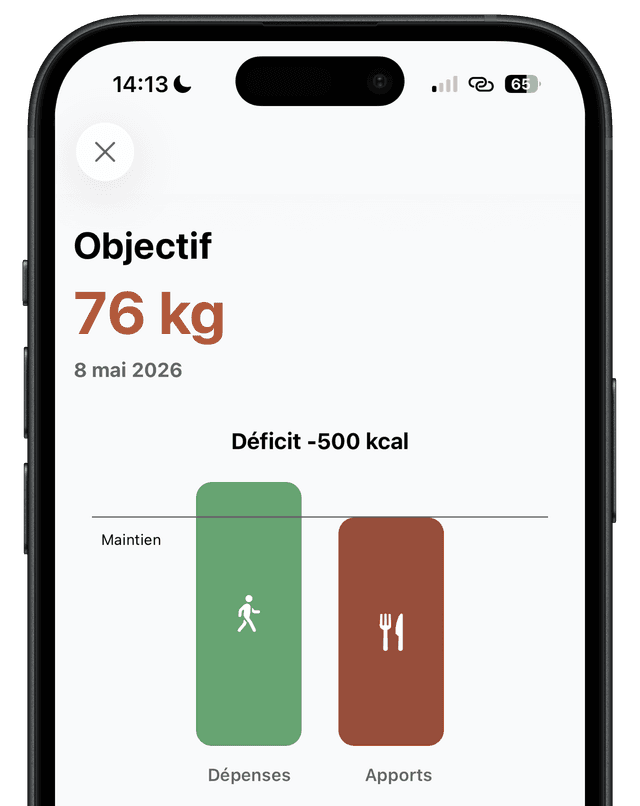
Be careful not to neglect your overall caloric intake. Plant-based proteins often come alongside carbohydrates (in legumes) or fats (in seeds), which affects your caloric deficit if you're trying to lose weight. It's simply a matter of adjusting proportions according to your goal.
Can you build muscle with plant-based proteins?
The question comes up often among athletes who want to reduce their consumption of animal proteins: is it really possible to build and maintain muscle mass by focusing on plants?
The answer is yes, and recent studies confirm it. A meta-analysis published in the *British Journal of Sports Medicine* showed that muscle gains linked to resistance training are comparable between vegan and omnivorous diets, provided total protein intake is sufficient. The key therefore lies not in the origin of proteins, but in the quantity and regularity of their consumption.
Some high-level vegan athletes highlight the indirect benefits of plant-based proteins: less systemic inflammation, better recovery thanks to the antioxidant density of plant foods, and lighter digestion after exercise. These benefits are difficult to quantify but regularly mentioned by athletes who have made the transition.
In practice, if you do weight training or intensive sport, prioritize sources like tempeh, firm tofu, pea protein powder or edamame around your sessions. And consider slightly increasing your total intake, around 10 to 20% above standard recommendations, to compensate for the slightly lower bioavailability of plant proteins.
Key Takeaways
Legumes, tofu, tempeh, hemp seeds and quinoa are the richest plant protein sources, with protein content comparable to some white meats.
It is not necessary to combine cereals and legumes in the same meal: what matters is variety of sources throughout the day.
Soaking, sprouting or fermenting legumes significantly improves the bioavailability of the proteins they contain.
During intermittent fasting, choosing dense, low-volume plant protein sources makes it easy to meet your needs within a reduced eating window.
Building muscle with plant-based proteins is entirely possible, provided total intake is sufficient and sources are varied throughout the week.
Disclaimer
The information presented in this article is for educational purposes only and does not constitute personalized medical or dietary advice. Protein needs vary according to age, sex, physical activity level and individual health status. If you have a specific medical condition, are pregnant or breastfeeding, or are considering a significant dietary change, consult a healthcare professional or registered dietitian before modifying your diet. Ember is an intermittent fasting support app and does not replace medical supervision.
Track your meals and fasting with Ember
Ember helps you structure your eating windows to maximize plant-based protein intake at every meal.
También te puede gustar
Ver todos los artículosEntendiendo los macronutrientes
Proteínas, carbohidratos, grasas: aprende el papel de cada macro y cómo equilibrarlos para tu objetivo.
Micronutrientes esenciales
Vitaminas, minerales y oligoelementos: descubre por qué estos nutrientes son esenciales para tu salud.
Déficit calórico
Descubre cómo crear un déficit calórico saludable y sostenible para perder peso sin frustrarte.