Zinc Deficiency: The Silent Mineral Draining Your Immunity
Zinc is involved in over 300 enzymatic reactions in your body, from immunity and wound healing to skin health and hormones. Yet it remains one of the most frequently overlooked nutritional deficiencies.
 Santé
SantéZinc Deficiency: A Complete Guide to Understanding, Preventing, and Correcting It
The Invisible Deficiency That Quietly Drains You
It is 10 in the morning and you are already yawning. You slept enough and eat reasonably well. But a persistent fatigue follows you everywhere, your hair seems thinner than a few months ago, and that small cut on your finger is taking an unreasonably long time to heal. These signals seem unrelated, yet they can all point to the same root cause: zinc deficiency.
Zinc is an essential trace element, meaning the body can neither produce it nor store it in meaningful quantities. It must be regularly supplied through food. Yet the World Health Organization estimates that nearly one third of the global population has insufficient zinc intake. In Europe, the most at-risk groups include older adults, pregnant women, high-performance athletes, and people following strict vegetarian or vegan diets.
What makes zinc deficiency particularly difficult to identify is the absence of a simple, reliable blood marker. Standard blood tests do not always reveal it. The body compensates for a long time before showing clear signs. Understanding what zinc does in your body is the first step toward not missing this indispensable mineral.
What Zinc Actually Does in Your Body
Describing zinc as useful for the immune system would be a significant understatement. This mineral is involved in over 300 different enzymatic reactions, making it one of the most active cofactors in the human body. No other trace element participates in as many distinct biological processes simultaneously.
Its most studied role concerns immunity. Zinc is essential for the production and maturation of T lymphocytes, the white blood cells at the heart of adaptive immune response. Without sufficient zinc, your natural defenses operate below capacity, even if you otherwise eat well. This is why zinc supplementation at the first signs of a cold can shorten its duration: the mineral helps the immune system respond faster.
But immunity is just one aspect. Zinc plays a central role in protein synthesis and cell division, which explains its importance for skin, nails, and hair. It is indispensable for the production of key hormones including testosterone and insulin. Thyroid health partly depends on it, as does the regulation of taste and smell, two senses that can be profoundly altered by a deficiency. Zinc also contributes to neutralizing free radicals that drive chronic inflammation, a key mechanism in preventing cellular aging.
How to Recognize Zinc Deficiency
The challenge with zinc deficiency is that its symptoms resemble many other common situations: burnout, poor sleep, an unbalanced diet. There is no single, dramatic warning sign. It is an accumulation of weak signals that eventually forms a coherent picture.
The first signs are often cutaneous. Skin becomes drier and more prone to irritation. Small white spots may appear on the nails. Wound healing is slower than usual, even for minor injuries. Hair thins and falls out more, sometimes diffusely without an identifiable hormonal cause. These manifestations are explained by zinc's fundamental role in the renewal of skin cells and hair follicles.
On the immune front, zinc-deficient individuals get sick more often and their infections last longer. A simple cold can drag on for two to three weeks. Mouth ulcers are more frequent. Smell may subtly change, and the taste of food can seem less sharp, less intense. This last symptom, hypogeusia, is one of the most characteristic signs of zinc deficiency, even though it often goes unrecognized.
Other, less well-known manifestations can round out this picture: persistent fatigue despite adequate sleep, increased irritability, or difficulty concentrating. These symptoms overlap with those seen in other nutritional deficiencies, particularly iron deficiency and magnesium deficiency, two deficits that frequently accompany low zinc levels.
The Best Dietary Sources of Zinc
It is entirely possible to meet your zinc needs through food alone, provided you know where to look. Daily requirements are estimated at 8 mg for women and 11 mg for men, slightly higher during pregnancy and breastfeeding.
Animal sources are by far the most concentrated and best absorbed. Oysters lead the pack at around 50 to 80 mg of zinc per 100 g, a record in the food kingdom. Beef, lamb, and calf liver are also excellent sources, providing between 5 and 10 mg per 100 g. Crab, shrimp, and other shellfish contain significant amounts as well. These foods, beyond their zinc content, are also great sources of complete proteins that support satiety and muscle building.
On the plant-based side, pumpkin seeds stand out as champions with around 7 to 8 mg per 100 g. Cashews, almonds, chickpeas, and lentils provide worthwhile amounts. Keep in mind that plant-based zinc is less well absorbed than that from animal sources, due to the presence of compounds called phytates. However, simple techniques like soaking legumes before cooking, choosing sourdough bread, or lightly toasting seeds can significantly reduce this inhibitory effect.

What Blocks Zinc Absorption
Eating zinc-rich foods is not always enough. Intestinal zinc absorption is influenced by many factors that modern diets often worsen without us realizing it.
The main obstacle is the presence of phytates, compounds naturally found in whole grains, legumes, and seeds. These molecules bind to zinc in the intestine and form insoluble complexes the body cannot absorb. In practice, someone who eats a lot of whole wheat bread, brown rice, or dried beans may have a theoretically adequate zinc intake but far lower actual absorption. Soaking legumes for several hours before cooking, opting for sourdough bread, or lightly toasting seeds all help reduce phytate content.
Chronic stress is another frequently overlooked factor. Cortisol, the hormone overproduced during prolonged periods of tension, promotes urinary zinc excretion. Someone under intense stress can lose significantly more zinc than normal, even with a perfectly balanced diet. Alcohol also interferes with intestinal absorption and speeds up renal zinc elimination.
Age also plays a role. Over the years, gastric acidity decreases, and zinc is better absorbed in an acidic environment. People over 60 are therefore at increased risk of deficiency, even with a varied diet. Certain common medications, such as proton pump inhibitors prescribed for acid reflux, can also reduce long-term zinc absorption.

Zinc and Intermittent Fasting: How to Stay on Track
Practicing intermittent fasting reduces the number of daily meals, which raises a legitimate question: is it harder to meet zinc needs when eating within an 8-hour window or less?
The answer is nuanced. Intermittent fasting itself does not worsen zinc deficiency: needs depend on total daily intake, not on meal frequency. What matters is the nutritional quality of foods consumed during the eating window. A well-structured 8-hour window, centered on zinc-rich animal or plant sources, can fully meet daily zinc requirements.
However, fasting can reveal or aggravate a pre-existing deficiency if the eating window is primarily filled with processed, nutrient-poor foods. This is why, in the context of a regular fasting practice, it is essential to build meals around nutritionally dense foods: animal proteins, legumes, nuts and seeds, a variety of vegetables. Fasting may also indirectly improve zinc absorption by boosting gastric acidity at the break-fast meal, which promotes better mineral assimilation.
A practical tip: place the most zinc-rich foods at the first meal of the day, at the moment of breaking the fast, when digestion is most active. Avoid pairing them with large quantities of unfermented whole grains in the same meal, so that phytates do not slow their absorption.
Key Takeaways
Zinc is involved in over 300 enzymatic reactions: it is an essential mineral for immunity, skin health, hormones, and wound healing, not an optional supplement.
Zinc deficiency often manifests in diffuse ways, through persistent fatigue, increased hair loss, slower wound healing, and more frequent infections, signals that are easy to attribute to other causes.
Oysters and red meat are the most bioavailable sources, but pumpkin seeds, legumes, and cashews make excellent plant-based alternatives to incorporate regularly into your diet.
Phytates in grains and legumes partially block zinc absorption: soaking, fermenting, or toasting these foods before eating improves their bioavailability.
Intermittent fasting is fully compatible with good zinc intake, provided eating windows are nutritionally dense and zinc-rich foods are prioritized at the first meal of the day.
Medical Disclaimer
The information in this article is intended for general educational and informational purposes only. It does not replace professional medical advice, diagnosis, or personalized treatment. If you suspect a zinc deficiency or any other nutritional imbalance, consult a qualified healthcare professional before changing your diet or taking supplements. High-dose zinc supplementation can cause adverse effects and should always be supervised by a healthcare provider.
Optimize Your Zinc Intake with Ember
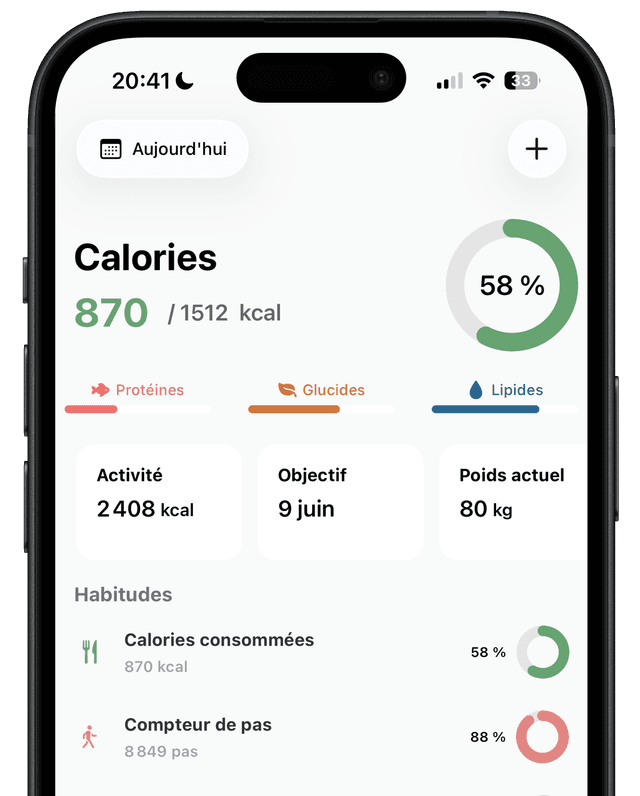
Ember helps you structure your eating windows to ensure sufficient zinc and essential mineral intake while getting the most from intermittent fasting.
You might also like
View all articlesWater retention: understand and act
Causes, symptoms and practical solutions to reduce water retention and restore lightness and well-being.
Hydration: how much water should you drink per day?
Daily water needs, signs of dehydration, hydrating foods and practical tips to stay well-hydrated throughout the day.
Understanding macronutrients
Proteins, carbs, fats: learn the role of each macro and how to balance them for your goal.