Iron Deficiency: What Your Fatigue Is Trying to Tell You
Iron deficiency is one of the most widespread nutritional deficiencies in the world, yet it often goes unnoticed for months. Understanding its signals is the first step to reclaiming your energy.
 Santé
SantéIron Deficiency: A Complete Guide to Understanding, Preventing, and Correcting It
The Fatigue That Never Goes Away
It is 10 in the morning and you are already yawning. You slept seven hours, you eat reasonably well, and you do not feel sick. Yet a dull, persistent fatigue follows you everywhere, one you struggle to name or explain. Millions of people live this every day without ever connecting it to a lack of iron.
Iron deficiency is the most widespread nutritional deficiency in the world. The World Health Organization estimates that more than 2 billion people are affected, to varying degrees. In France, roughly one in five women of childbearing age has insufficient iron stores. That number climbs higher still among people who exercise regularly, vegetarians, and those following a restrictive diet.
What makes this deficiency particularly insidious is that it develops gradually, with no dramatic symptoms at first. The body compensates for a long time before showing visible signs. And when the signals finally appear, they look like so many other things: stress, poor sleep, burnout. Understanding what iron actually does in your body is the first step to not missing the warning signs.
Why Iron Is Essential to Your Body
Iron is a mineral the body uses to produce hemoglobin, the protein in red blood cells responsible for transporting oxygen through the blood. When you breathe, the oxygen captured by your lungs is loaded onto hemoglobin and delivered to every cell in the body. Without enough iron, this logistics chain breaks down: cells receive less oxygen, energy production slows, and the entire body runs at reduced capacity.
Iron also plays a role in producing myoglobin, a protein that stores oxygen in muscles, and in the functioning of many enzymes involved in cellular energy production. This is why an iron shortfall affects physical performance and mental clarity equally: the brain, a heavy oxygen consumer, is one of the first organs to feel the effects.
There are two main forms of dietary iron. Heme iron, found in red meat, poultry, and fish, is directly bioavailable and absorbed at a rate of 15 to 35 percent by the intestine. Non-heme iron, found in legumes, leafy greens, grains, and eggs, is absorbed far less efficiently, between 2 and 20 percent depending on the dietary context. This difference in absorption is at the heart of every nutritional strategy for maintaining healthy iron levels.
Warning Signs of Iron Deficiency
The symptoms of iron deficiency appear in stages. Initially, the body's iron reserves, stored mainly in the liver as ferritin, become depleted. This phase can last months without triggering any symptoms. Then hemoglobin levels start to drop, and that is when the body begins sending its first signals.
The most characteristic sign is a persistent fatigue that does not improve with rest. This fatigue is often accompanied by pale skin and mucous membranes, unusually rapid breathlessness during exertion, heart palpitations, and a chronic feeling of cold in the hands and feet. Concentration narrows, short-term memory weakens, and some people describe a mental fog they cannot quite explain.
More subtle signs can also appear: hair that falls out more than usual, brittle nails, a sore tongue, or dry and dull skin. A lesser-known but significant syndrome is pica, a compulsive urge to consume non-food substances such as ice, clay, or starch. This strange symptom is an alarm signal the body sends when its iron reserves are severely depleted.
The only way to confirm a deficiency is a complete blood test: hemoglobin level, ferritin concentration, and transferrin saturation. A doctor can then distinguish simple reserve depletion from true iron-deficiency anemia, and tailor the appropriate response.
The Best Foods to Replenish Your Iron
Heme iron from red meat remains the best-absorbed dietary source. Black pudding is the most iron-dense food that exists, with approximately 22 mg per 100 g, followed by veal liver and other organ meats. For regular red meat eaters, a 150 g beef steak delivers around 3 to 4 mg of heme iron per serving, providing a solid foundation for covering a portion of daily needs.
Plant-based iron sources are plentiful and genuinely interesting, provided you adopt the right strategies to optimize their absorption. Legumes lead the list: lentils, chickpeas, red kidney beans. Pumpkin seeds, sesame seeds, spinach, quinoa, and tofu are also significant contributors. Fiber-rich foods like legumes have the added advantage of nourishing the gut microbiome while also providing non-heme iron.
For vegetarians or those who limit meat consumption, iron needs must be met through a particularly varied diet and a solid understanding of absorption mechanics. A well-planned vegetarian diet can absolutely maintain healthy iron levels, but it demands more attention and strategy than an omnivorous one.

The Art of Absorbing Iron: Tips That Actually Make a Difference
Vitamin C is the best ally of non-heme iron. When consumed at the same meal as plant-based iron sources, it can multiply iron absorption by two to three times. A squeeze of lemon over lentils, a glass of fresh orange juice with your porridge, or raw bell peppers in a legume salad: these simple gestures make a concrete, measurable difference.
Conversely, certain compounds in food slow the absorption of non-heme iron. The tannins in tea and coffee significantly reduce iron absorption when consumed during or right after a meal rich in plant-based iron. Phytates found in whole grains and legumes have a similar effect, but can be reduced by soaking, fermentation, or prolonged cooking. High amounts of calcium can also compete with iron at the intestinal absorption level.
The health of your gut microbiome also plays a role in iron absorption. A healthy gut, with an intact mucosa and a balanced microbiome, absorbs iron more efficiently than one weakened by inflammation or dysbiosis. This is why people with inflammatory bowel conditions often develop iron deficiencies despite apparently adequate dietary intake.
The amino acids found in animal proteins also improve the absorption of plant-based iron. In practice, adding a small amount of meat or fish to a legume-based dish not only increases heme iron intake, but also boosts the absorption of non-heme iron present in the same meal, through what nutritionists call the meat factor.

Iron, Sport, and Intermittent Fasting: What You Need to Know
Sport significantly increases iron requirements. During physical effort, red blood cells are destroyed more quickly, especially through repeated ground impacts in activities like running or trail running. This phenomenon, called mechanical hemolysis, can represent a meaningful additional loss for regular athletes. Heavy sweating and minor digestive bleeding associated with prolonged efforts also contribute to higher iron needs in active individuals.
For people who practice fasted exercise, the timing of iron-rich meals becomes especially important. Within the eating window, it is all the more essential to concentrate high-quality iron sources and pair them with the right absorption enhancers. Muscle recovery itself depends on a good iron status: muscles repair their fibers using oxygen, and without sufficient hemoglobin, that recovery is slowed.
Intermittent fasting is not incompatible with healthy iron levels, but it does require particular attention to the nutritional density of the eating window. When meals are concentrated into an 8-hour period each day, every meal counts more. Planning at least one meal rich in heme iron or well-paired plant-based iron several times a week is a simple approach to maintaining adequate stores while enjoying the benefits of fasting.
Key Takeaways
Iron deficiency is the most widespread nutritional deficiency in the world, often invisible for months before manifesting as persistent fatigue, unusually rapid breathlessness, and reduced concentration. Heme iron from red meat and organ meats is absorbed three to five times more efficiently than plant-based iron from legumes and grains, which is why people following restrictive diets face greater risk. Consuming a source of vitamin C at the same meal as plant-based iron foods can multiply absorption by two to three times: a simple daily habit that genuinely changes the outcome. Athletes have increased iron requirements due to the mechanical destruction of red blood cells and losses through sweat, and should pay close attention to their intake during periods of intense training. A blood test including ferritin and hemoglobin levels is the only reliable way to confirm a deficiency and assess its severity before making any supplementation decision.
Medical Disclaimer
The information in this article is for general educational purposes only. It does not constitute medical advice or a personalized treatment recommendation. Severe iron deficiency, or iron-deficiency anemia, requires appropriate medical diagnosis and follow-up. Iron supplementation should never be undertaken without a prior blood test, as excess iron can be toxic to the body. Pregnant or breastfeeding women, children, people with chronic conditions, or those taking medications should consult their doctor before changing their diet or taking supplements. This article is not a substitute for professional medical advice.
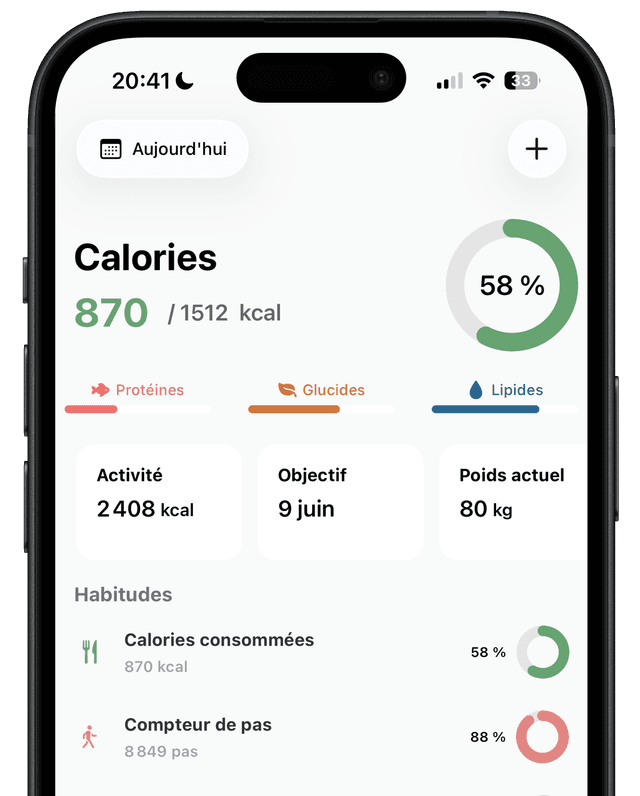
Intermittent fasting and iron: eating well during your windows
Ember helps you structure your eating windows to optimize your iron and essential nutrient intake, without ever compromising your daily energy levels.
You might also like
View all articlesWater retention: understand and act
Causes, symptoms and practical solutions to reduce water retention and restore lightness and well-being.
Hydration: how much water should you drink per day?
Daily water needs, signs of dehydration, hydrating foods and practical tips to stay well-hydrated throughout the day.
Understanding macronutrients
Proteins, carbs, fats: learn the role of each macro and how to balance them for your goal.