Anti-Inflammatory Diet: The 10 Key Foods
Some foods you eat every day may be silently fueling inflammation in your body. Others have the power to calm it. Here is what to bring into your kitchen.
 Nutrition
Everything you need to know about anti-inflammatory eating
Silent inflammation, an underestimated enemy
When we talk about inflammation, we often think of an injury, a redness, a localized pain. This reaction, called acute inflammation, is actually an essential defense mechanism: the immune system mobilizes its resources to repair damage and fight pathogens. Completely normal and beneficial, it resolves within a few days.
But there is another form of inflammation, far more insidious: low-grade chronic inflammation. Unlike the first, it causes no visible redness or sharp pain. It sets in gradually, often without clear symptoms for years, while silently disrupting the proper functioning of the body. Scientists have now linked it to many conditions: cardiovascular disease, type 2 diabetes, metabolic disorders, chronic joint pain, and even certain mood disorders.
What feeds this chronic inflammation on a daily basis? Several factors come into play: lack of sleep, stress, sedentary behavior... and of course, diet. What you put on your plate can either fuel this inner fire or help extinguish it. That is exactly what we will explore in this article.
Berries and leafy greens: the foundation of an anti-inflammatory plate
Red fruits and berries, starting with blueberries, are among the most studied foods for their anti-inflammatory properties. Rich in anthocyanins, pigments from the flavonoid family, they act directly on inflammatory markers in the blood. Raspberries, cherries, and pomegranates share these virtues to varying degrees. Consumed regularly as a snack, in yogurt, or in a smoothie, they are one of the easiest ways to enrich your anti-inflammatory diet.
On the vegetable side, dark leafy greens hold a place of honor. Spinach and kale concentrate a remarkable quantity of vitamins (C, K, E), minerals, and especially phytochemical compounds that neutralize the free radicals responsible for oxidative stress. This oxidative stress is one of the main drivers of chronic inflammation. Adding a handful of spinach to a morning omelette or a bowl of kale to your lunch is a simple and effective nutritional investment.
The trick to maximizing their benefits? Vary the colors on your plate. Each plant pigment corresponds to a different family of protective compounds. A colorful meal, from green to purple to bright red, is anti-inflammatory eating in action.
Good fats: salmon, olive oil, avocado, and walnuts
Not all fats are equal, and this is where anti-inflammatory eating diverges most from conventional wisdom. Some lipids are powerful modulators of inflammation, as long as you know which ones to choose.
Fatty fish, such as salmon and sardines, are the richest food sources of omega-3 fatty acids, particularly EPA and DHA. These long-chain polyunsaturated fatty acids are directly incorporated into cell membranes and serve as precursors to anti-inflammatory molecules called resolvins and protectins. Many studies have shown that regular consumption of fatty fish, two to three times per week, significantly reduces levels of C-reactive protein, a key marker of systemic inflammation.
Extra virgin olive oil deserves special mention. It contains oleocanthal, a phenolic compound whose action resembles that of ibuprofen at low doses, inhibiting the same inflammatory enzymes. It is the core fat of the Mediterranean diet, one of the best-documented dietary models for the prevention of inflammatory diseases. Used raw on salads or for moderate-temperature cooking, it provides much more than simple calories.
Avocado and walnuts complete the picture. Avocado is rich in monounsaturated fatty acids and vitamin E, a fat-soluble antioxidant that protects cells from oxidative stress. Walnuts are the best plant-based source of omega-3 in the form of ALA, in addition to providing vitamin E and polyphenols. A small handful per day is enough to reap the benefits.
Turmeric, ginger, garlic, and green tea: the overlooked allies
Spices and aromatics are often relegated to the role of mere condiment. That is a mistake: some of them concentrate impressive amounts of bioactive compounds with well-documented anti-inflammatory properties.
Turmeric is probably the star of this category. Its active principle, curcumin, inhibits several inflammatory signaling pathways, notably NF-kB, a protein that plays a central role in the inflammatory response. The absorption of curcumin by the body is naturally low, but it is considerably increased by combining it with black pepper, which contains piperine. A simple curry, golden water, or warm plant-based milk with turmeric and pepper is enough to unlock this potential.
Ginger shares similar mechanisms. It contains gingerols and shogaols, compounds that inhibit COX-2 enzymes, the same ones targeted by classic non-steroidal anti-inflammatory drugs. As an infusion, grated on vegetables, or blended into a smoothie, ginger is one of the easiest additions to your anti-inflammatory kitchen.
Garlic stands out for its richness in allicin, a sulfur compound released when the clove is cut or crushed, giving it both antibacterial and anti-inflammatory properties. It also acts as a prebiotic, feeding beneficial gut bacteria, with a balanced microbiome being one of the best defenses against chronic inflammation.
Finally, green tea stands out for its concentration of EGCG (epigallocatechin gallate), the most potent polyphenol in the catechin family. Consumed regularly, it helps modulate the inflammatory response and protect cells from oxidative stress. Two to three cups per day is both an enjoyable and beneficial habit.
Pro-inflammatory foods to limit
Adopting an anti-inflammatory diet also means understanding which foods have the opposite effect. This is not about a list of absolute prohibitions, but about awareness of the foods that, consumed regularly and in large quantities, maintain inflammation in the body.
Ultra-processed foods top the list. Rich in additives, hydrogenated fats, refined sugars, and salt, they disrupt the gut microbiome, trigger repeated insulin spikes, and activate inflammatory pathways. Epidemiological studies show a clear correlation between regular consumption of these types of foods, chips, ready-made industrial meals, fast food, and elevated levels of inflammatory markers.
Refined sugar, consumed in excess, is also a significant inflammatory factor. Repeated blood sugar spikes stimulate the production of pro-inflammatory cytokines and promote protein glycation, a phenomenon that damages tissues over time. This does not mean banning all sugar, but reducing added sources: sugary drinks, industrial pastries, sweetened breakfast cereals.
Vegetable oils rich in omega-6, such as sunflower or corn oil, also deserve attention. In excess relative to omega-3, they promote the production of pro-inflammatory prostaglandins. The goal is not to eliminate them, but to rebalance the omega-6/omega-3 ratio by increasing omega-3 sources, as discussed earlier.
Anti-inflammatory eating and intermittent fasting: a powerful duo
What you eat is essential, but when you eat matters just as much. This is one of the most fascinating findings in nutrition research in recent years: fasting periods themselves have a direct impact on inflammatory markers.
During a fast, even a few hours long, the body gradually shifts toward using fat reserves. This process triggers the production of ketone bodies, including beta-hydroxybutyrate, a compound that directly inhibits the NLRP3 inflammasome, one of the molecular complexes most involved in chronic inflammatory responses. This is a concrete, scientifically documented mechanism by which intermittent fasting helps reduce low-grade inflammation.
Combined, an anti-inflammatory diet and intermittent fasting form a particularly effective duo. By structuring your eating window over 8 hours and incorporating the foods presented in this article, you maximize the protective effects of each meal while giving your body time to regenerate during the fasting hours. The idea is not to eat perfectly at every meal, but to create a favorable dynamic over the long term.
Finishing your last meal two to three hours before bedtime, a natural practice within intermittent fasting, also promotes better sleep and more complete overnight recovery. This extended digestive rest allows the body to dedicate its resources to cellular repair rather than digestion.
Disclaimer
The information presented in this article is provided for educational and informational purposes only. It does not constitute medical advice and cannot replace consultation with a qualified doctor or healthcare professional.
If you suffer from a chronic inflammatory disease, digestive disorders, food allergies, or any other medical condition, consult your doctor before significantly changing your diet. Intermittent fasting is not suitable for everyone, including pregnant women, people with certain medical conditions, or those with a history of eating disorders.
Combine anti-inflammatory eating with intermittent fasting
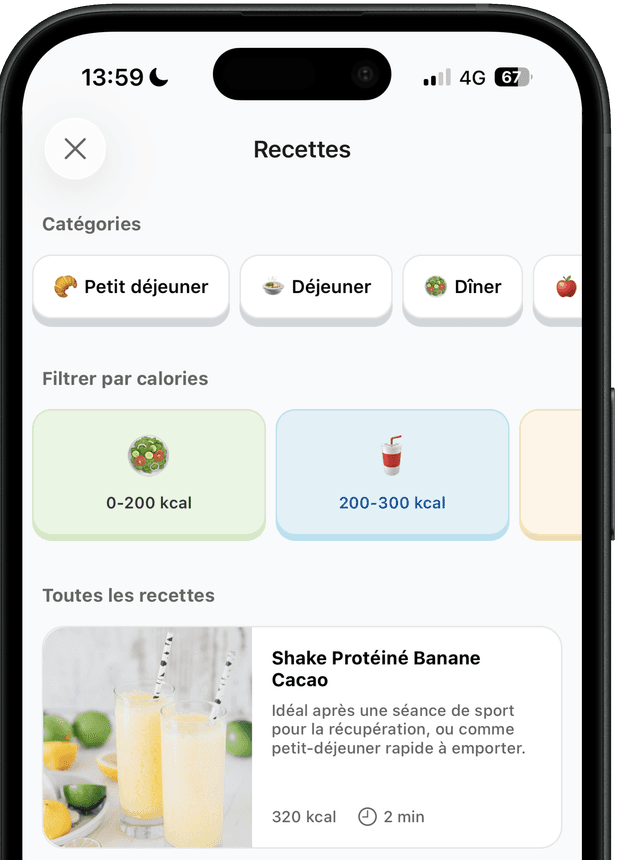
Ember helps you structure your eating windows to maximize the protective effects of your meals and fasting periods on your body.
You might also like
View all articlesUnderstanding macronutrients
Proteins, carbs, fats: learn the role of each macro and how to balance them for your goal.
Essential micronutrients
Vitamins, minerals, trace elements: discover why these nutrients are vital to your health.
Caloric deficit explained
Understand how to create a healthy, sustainable caloric deficit to lose weight without frustration.