Fasted Exercise: What Science Really Says
Does training on an empty stomach really burn more fat? An honest answer, with all the nuances the question deserves.
 Fitness
Everything You Need to Know About Fasted Training
Fasted Training: Smart Strategy or Overrated Myth?
It is 6:30 a.m. Your alarm just went off. You pull on your workout clothes and wonder whether you should eat something first. The question sounds simple, but it has divided fitness coaches for years: does training on an empty stomach really burn more fat, or do you risk losing muscle for nothing?
With the growing popularity of intermittent fasting, particularly the 16/8 protocol, the answer has become even more relevant. When your eating window closed at 8 p.m. the night before, a morning workout at 7 a.m. takes place after 11 hours without any caloric intake. This is exactly the context that science has studied most, and its conclusions are more nuanced than most people expect.
One clarification before we dive in: research focuses primarily on short fasting, the kind that follows a normal night of sleep (8 to 14 hours without eating). This is the precise framework we are exploring here, far from extreme practices that involve training after several days of dietary restriction.
What Happens in Your Body When You Exercise Fasted
When you eat, your body stores energy in two main forms: glycogen (in muscles and the liver) and triglycerides (in fat cells). During fasting, hepatic glycogen stores, meaning the sugar stored in the liver, begin to decline. Your body then looks for other energy sources to maintain stable blood glucose levels.
This is where fat oxidation comes into play. In the absence of available carbohydrates, the body more efficiently activates lipolysis: the process by which fatty acids are released from fat cells and transported to muscles to be burned as fuel. Several studies show that a cardio session performed in a fasted state can increase lipid oxidation by 20 to 30% compared to the same session performed after a meal.
This mechanism is partly explained by insulin levels. After a meal, insulin is high and blocks lipolysis. In a fasted state, insulin is low and fats are more easily mobilized. At the same time, levels of glucagon and adrenaline rise slightly, further promoting the release of stored fatty acids.
An important nuance must be noted, however: burning more fat during a session does not necessarily mean losing more body fat in the long run. The body often compensates by oxidizing less fat during the hours that follow. What is called the metabolic compensation effect reminds us that it is the overall caloric balance of the day that primarily determines weight loss, not the proportion of fat burned at any specific moment.

The Real Benefits of Fasted Exercise
Beyond the fat-burning mechanism alone, fasted exercise offers several documented advantages that are worth exploring seriously.
The first benefit is improved insulin sensitivity. Training at low blood sugar levels pushes muscle cells to respond better to insulin afterward. This is a particularly valuable adaptation for people with prediabetes or those seeking to optimize their long-term metabolic health.
Second advantage: mitochondrial adaptation. Research published in the Journal of Physiology shows that repeated fasted sessions can stimulate mitochondrial biogenesis, meaning the creation of new mitochondria in muscle cells. The more mitochondria your muscles contain, the more efficient they become at producing energy from fat. This adaptation is particularly interesting for endurance athletes.
There is also a practical aspect that is often overlooked: many people who practice intermittent fasting report heightened mental clarity in the morning while fasted. Training in this state can sometimes support high concentration and motivation, without the digestive heaviness that a pre-workout meal can cause.
Finally, for those following a fasting protocol, fitting exercise into the fasting window allows them to stay consistent with their routine without shifting mealtimes. It is as much a matter of organization as it is of physiology.
Cardio or Strength Training: What to Do Fasted?
Not all types of exercise are equally well-suited to fasted training. The answer depends on effort intensity and the energy systems involved.
Moderate-intensity cardio is the exercise most naturally suited to fasted training. Brisk walking, light jogging, easy cycling, or gentle swimming primarily mobilize fat as an energy source. At this level of moderate intensity, the body can sustain effort even with partially depleted glycogen stores. A 30 to 60-minute session remains comfortable and effective.
High-intensity exercises, such as HIIT (high-intensity interval training), are less recommended when fasted. These brief, very intense efforts rely almost exclusively on muscle glycogen and the anaerobic system. Without sufficient reserves, performance drops, technique deteriorates, and the risk of injury increases. It is not inherently dangerous, but you will not get the expected benefits.
Strength training sits in an intermediate zone. For light to moderate sessions focused on muscle maintenance, fasted training is perfectly viable. But for heavy strength or hypertrophy sessions requiring multiple heavy sets and maximum focus, having eaten a few hours before is often preferable. Studies comparing muscle gains between fasted and fed training show broadly similar results, provided daily protein intake is adequate.

How to Practice Fasted Exercise Safely
Training fasted is not complicated, but a few common-sense guidelines help you get the most out of it without running into trouble.
First rule: hydrate properly. Overnight fasting causes mild dehydration. Before any session, drinking two glasses of water is essential. If your session lasts more than 45 minutes or takes place in hot weather, consider adding electrolytes (sodium, potassium, magnesium) to your drink, as sweating amplifies mineral losses.
Second point: limit duration and intensity. To start, favor 30 to 45-minute sessions at moderate intensity. If you are not used to fasted exercise, your body needs two to four weeks to adapt to using fat as its primary fuel before feeling truly comfortable. There is no need to jump into an hour of intense running on your first attempt.
Third tip: break your fast intelligently after the session. What you eat in the 30 to 60 minutes following your workout matters particularly. A meal combining quality protein and complex carbohydrates supports muscle recovery and replenishes glycogen stores. If you follow an intermittent fasting protocol, this post-workout window is the ideal moment to open your eating window.
Finally, listen to your body. Dizziness, nausea, or severe weakness during exercise are clear signals: your body is telling you it does not have enough fuel available. In that case, it is better to eat a small light snack before your next session, or move your workout to the start of your eating window.
"I Will Lose Muscle": Common Misconceptions to Debunk
The most widespread fear is muscle loss. The idea that the body, lacking carbohydrates, will start breaking down muscle tissue for energy has been deeply embedded in minds for decades. In reality, this phenomenon, known as muscle catabolism, only occurs significantly during prolonged fasting or in cases of chronic protein deficiency. For short to moderate sessions, the contribution of muscle proteins to energy production remains marginal.
Second misconception: fasted exercise would systematically lower performance. This is often true during the first few sessions, while the body adapts to using fat as its primary fuel. But after several weeks of regular practice, most athletes return to their usual performance level, and some even improve in low-intensity endurance efforts.
You may also hear that fasted exercise is only suitable for men. This idea deserves nuance. Studies on women show similar results in terms of fat oxidation. There are, however, specific periods, particularly around the menstrual cycle, when the female body can respond differently to blood sugar variations. Women who practice fasted exercise should therefore be especially attentive to their body signals.
Finally, the idea that fasted exercise is a miracle solution for rapid weight loss is a myth. As with everything related to basal metabolism, it is the regularity of physical activity and the overall quality of nutrition that make the difference in the long run, far more than a specific training timing.
Key Takeaways
Fasted exercise increases fat oxidation by 20 to 30% during a session, but it is the overall caloric balance of the day that truly determines weight loss, not workout timing. Moderate cardio lasting 30 to 60 minutes is the exercise best suited to fasted training; HIIT and heavy strength sessions remain more effective when you have eaten beforehand. Muscle loss during fasted exercise is a myth for short sessions, provided daily protein intake is adequate. The real benefits play out over time: improved insulin sensitivity, mitochondrial adaptation, and consistency with an intermittent fasting protocol. If you have a medical condition such as diabetes or hypoglycemia, consult a doctor before changing your exercise habits.
Sync Your Workouts With Your Fast
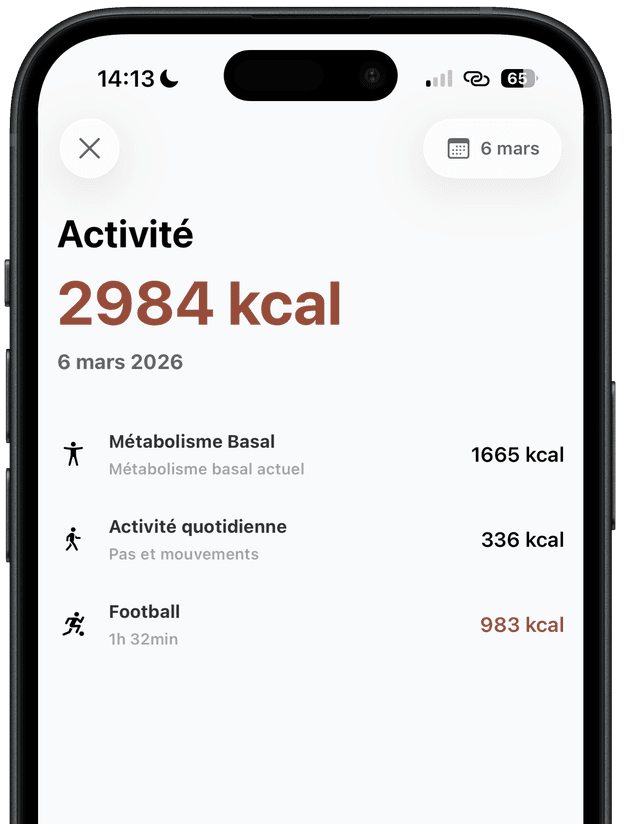
Ember helps you plan your training sessions around your fasting window to maximize the benefits of every effort.
You might also like
View all articlesHow Many Calories Does Pilates Burn?
Calorie data by level and body weight, comparison with other activities, and tips to maximize expenditure.
How Many Calories Does Swimming Burn?
Calorie data by stroke, weight and intensity, comparison with running and cycling, tips to maximize burn.
Understanding macronutrients
Proteins, carbs, fats: learn the role of each macro and how to balance them for your goal.