Thyroid and Diet: How to Eat for a Healthy Metabolism
Your thyroid governs your energy and weight. Understanding what it needs to function well changes everything.
 Santé
SantéWhat Your Thyroid Expects from Your Plate
Thyroid: the Default Scapegoat for Weight Gain?
How many people have said to themselves at some point: it must be my thyroid, to explain unexplained weight gain, persistent fatigue, or difficulty losing weight despite their efforts? The answer is: a lot. And while the thyroid is often wrongly blamed, it still deserves your full attention, because when it underperforms, the consequences are real and measurable.
What fewer people realize is that what you eat directly influences how your thyroid works. Certain nutrients are essential for producing its hormones. Other foods can, on the contrary, slow its activity down. Understanding this mechanism means regaining control over one of the most powerful regulators of your basal metabolic rate.
This article is not a thyroid diet plan. It is a clear, honest look at what science says about the links between diet and thyroid function, so you can make informed choices without falling for health marketing traps.
How Your Thyroid Controls Your Energy
The thyroid is a small butterfly-shaped gland located at the base of your neck. Its role is to produce two key hormones: T4 (thyroxine) and T3 (triiodothyronine). T4 is the stored, inactive form that the body converts into active T3 as needed. It is T3 that acts directly on cells to regulate the speed at which they burn energy.
At the top of this system, the pituitary gland continuously monitors hormone levels and sends TSH (thyroid-stimulating hormone) to tell the thyroid to speed up or slow down. When TSH is elevated, it means the thyroid is not producing enough hormones. When it is low, the opposite is true.
In practice, a slowing thyroid, what we call hypothyroidism, can manifest as chronic fatigue, weight gain, a constant feeling of cold, dry skin, and low mood. These symptoms are real and can be confirmed with a simple blood test. What is often overlooked is that diet can influence both the production of these hormones and their conversion within body tissues.

The Nutrients Your Thyroid Cannot Do Without
Producing thyroid hormones is not a magical process: it requires specific raw materials. The first is iodine, a mineral that literally makes up the molecular structure of T3 and T4. Without iodine, there are no thyroid hormones. Severe iodine deficiency is one of the leading causes of hypothyroidism worldwide, though it remains rare in Western countries thanks to iodized salt and dairy products.
Selenium plays an equally central role, though it is far less known. It is essential for the conversion of T4 into active T3, through specialized enzymes called deiodinases. A selenium deficiency can slow this conversion and worsen underactive thyroid symptoms, even when T4 production is normal. This resembles a magnesium deficiency: hard to detect on standard tests, but with very real effects on energy and metabolism.
Zinc also contributes to hormone conversion and cellular sensitivity to T3. Iron is necessary for the enzyme that synthesizes thyroid hormones within the gland. These four nutrients, iodine, selenium, zinc, and iron, form the nutritional foundation of a well-functioning thyroid. Getting them from food is always preferable to supplements, since too much iodine can paradoxically block the thyroid instead of stimulating it.
Foods That Support Thyroid Function
Seafood is the thyroid's best friend. A serving of tuna, sardines, or mussels easily covers your daily iodine needs. Seaweed and algae contain extremely high concentrations of iodine, but should be consumed in moderation to avoid excess. Dairy products like milk, yogurt, and certain cheeses, along with eggs, are other practical sources of iodine that are easy to incorporate daily.
For selenium, nothing beats Brazil nuts: two to three nuts per day is enough to cover the recommended intake for most adults. Fish (tuna, cod, salmon), eggs, and mushrooms are also good sources. For zinc, look to oysters, red meat, legumes, and pumpkin seeds.
Omega-3 fatty acids deserve special mention: they help reduce systemic inflammation and may improve cellular sensitivity to thyroid hormones. Wild salmon, mackerel, sardines, and flaxseeds are excellent choices. A varied diet rich in seafood and whole foods provides the best foundation for supporting a healthy thyroid.

What Can Disrupt Thyroid Function
Cruciferous vegetables such as cabbage, broccoli, and kale are often labeled as thyroid enemies. The reality is more nuanced: eaten raw in very large quantities, they contain compounds called goitrogens that can interfere with iodine absorption by the thyroid. When cooked, these effects almost entirely disappear. For a person with adequate iodine intake who eats vegetables in reasonable amounts, these foods pose no problem. Their nutritional benefits far outweigh any theoretical risk.
Soy is in a similar situation. Its isoflavones can, at high doses, slow thyroid hormone production. This mainly concerns people who consume very large quantities of soy every single day. Moderate and varied consumption within a balanced diet presents no documented risk for a healthy thyroid.
Two often-overlooked factors have a direct and documented impact on thyroid function: chronic stress and sleep deprivation. The cortisol produced in excess during prolonged stress interferes with the conversion of T4 into T3. Insufficient sleep disrupts overall hormonal regulation and can worsen preexisting thyroid symptoms. These two levers deserve as much attention as what is on your plate.
A Practical Diet Strategy for a Healthy Thyroid
There is no universally validated thyroid diet. What does exist is a broader dietary approach that supports healthy hormonal function: varied, nutrient-rich, minimally processed, and anti-inflammatory. This is exactly what anti-inflammatory eating promotes: reducing the body's inflammatory load, which benefits the thyroid and the entire hormonal system.
In practice, a few simple habits make a real difference. Eating fatty fish two to three times a week brings iodine, selenium, and omega-3s in a single habit. Using iodized salt to season your meals remains the simplest way to maintain adequate iodine intake. Adding a couple of Brazil nuts to your breakfast covers most of your selenium needs for the day.
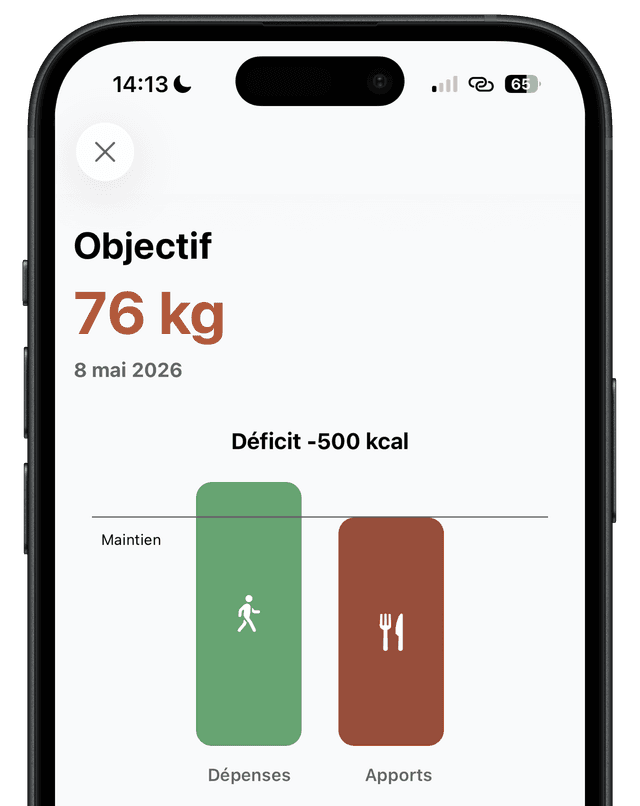
Avoiding overly severe caloric restriction also matters. Too aggressive a caloric deficit sends a scarcity signal to the body: in response, the thyroid slows the conversion of T4 into T3 to conserve energy. This response makes weight loss even harder. It is one of the biological reasons why crash diets often create the feeling of a sluggish metabolism, a sensation that is grounded in real physiology.
Key Takeaways
Your thyroid depends on four key nutrients to produce and activate its hormones: iodine, selenium, zinc, and iron. Seafood, eggs, Brazil nuts, and legumes are your best allies. Foods often blamed, like cruciferous vegetables and soy, only pose a problem in cases of excessive consumption combined with iodine deficiency: cooked and in reasonable amounts, they are perfectly compatible with a healthy thyroid. Chronic stress and sleep deprivation disrupt thyroid hormone conversion just as much as nutritional deficiencies, making them equally important levers to address. Finally, overly severe caloric restriction triggers a survival response in the thyroid, which is yet another reason to choose a progressive, balanced dietary approach.
Disclaimer
The information in this article is for general educational purposes only. It does not constitute a medical diagnosis or personalized therapeutic recommendation. Thyroid conditions such as hypothyroidism, hyperthyroidism, or Hashimoto's thyroiditis must be diagnosed and monitored by a doctor or endocrinologist, based on blood tests and a complete clinical assessment. Any significant dietary change in the context of a medically treated thyroid condition, particularly regarding iodine intake, should be discussed with a healthcare professional beforehand. This article does not replace professional medical advice in any way.
Structure Your Meals to Support Your Thyroid
Ember helps you organize your eating windows and track your nutrition to support your metabolic health every day.
You might also like
View all articlesWater retention: understand and act
Causes, symptoms and practical solutions to reduce water retention and restore lightness and well-being.
Hydration: how much water should you drink per day?
Daily water needs, signs of dehydration, hydrating foods and practical tips to stay well-hydrated throughout the day.
Understanding macronutrients
Proteins, carbs, fats: learn the role of each macro and how to balance them for your goal.