Caffeine and Metabolism: What Your Coffee Really Does for You
Beyond the morning energy boost, caffeine is one of the few natural stimulants with a measurable effect on energy expenditure. You just need to know when to use it.
 Santé
SantéCaffeine and Metabolism: The Complete Guide to Getting the Most Out of It
The Unexpected Effect of Your Morning Cup
Three billion cups of coffee are consumed around the world every day. Most people drink their coffee in the morning out of habit or to shake off fatigue. What they often don't realize is that this simple cup contains one of the most studied substances in sports nutrition: caffeine. And its effects on metabolism go far beyond a simple energy boost.
Caffeine is the most widely consumed psychoactive substance on the planet, and it's also one of the few natural ergogenics whose effectiveness is confirmed by hundreds of rigorous scientific studies. It speeds up energy expenditure, promotes fat mobilization, improves athletic performance, and in certain contexts, helps maintain a caloric deficit with minimal effort.
Understanding how caffeine works in the body, when and how to use it optimally, and what its real limits are: that's what this guide sets out to explore for you.
How Caffeine Wakes Up Your Metabolism
When you drink coffee, caffeine is absorbed in under 45 minutes and quickly reaches its peak in the bloodstream. At that point, it blocks adenosine receptors, a neurotransmitter that promotes drowsiness and calms nervous activity. By occupying these receptors, caffeine frees up other chemical messengers, particularly dopamine and norepinephrine, which stimulate the sympathetic nervous system.
This effect on norepinephrine is at the core of caffeine's metabolic properties. Norepinephrine sends a signal to fat cells to release their fatty acids into the bloodstream, making them available as an energy source. This process is what specialists call lipolysis. Studies show that caffeine can increase lipolysis by 10 to 30% depending on the individual and conditions of intake.
Caffeine also stimulates thermogenesis, meaning the body's heat production, which translates into additional energy expenditure. This increase in energy spending, modest but real, contributes to a rise in basal metabolism of 3 to 11% according to studies. In people not used to caffeine, this effect is more pronounced and can last several hours after consumption.

Caffeine and Intermittent Fasting: Fully Compatible
It's one of the most frequently asked questions among intermittent fasting practitioners: does coffee break a fast? The answer is no, as long as it's consumed black, without milk, cream, or sugar. An unsweetened coffee or tea provides fewer than 5 calories and does not trigger a measurable insulin response. The fasting window therefore remains metabolically intact.
Even better, caffeine and fasting work through complementary mechanisms. During a fasting period, insulin is low and the body is already oriented toward mobilizing fat reserves. Caffeine amplifies this process by strengthening the lipolysis signal. In practice, drinking a black coffee mid-morning during the fasting window can help get through moments of hunger without breaking the fast, while potentiating fat burning.
An additional benefit involves appetite. Studies show that caffeine can temporarily reduce the sensation of hunger by acting on adenosine receptors in the brain. For someone following a shifted fasting protocol, this property can make the first hours of fasting noticeably more comfortable and less demanding.
Caffeine and Exercise: Burn More Fat During Workouts
Caffeine is one of the most widely used sports supplements in the world, and for good reasons. Taken 30 to 60 minutes before a session, a dose of 3 to 6 mg per kilogram of body weight improves endurance performance, maximum strength, and resistance to fatigue. For a 70 kg athlete, that's between 210 and 420 mg of caffeine, equivalent to 2 to 4 cups of coffee depending on their concentration.
What's particularly interesting for people looking to lose weight is that caffeine favors the use of fat as the preferred fuel during exercise. By partially sparing muscle glycogen reserves, it allows the body to function longer on fat burning. These effects are especially pronounced during moderate-intensity exercise: cycling, jogging, swimming. Combining caffeine with exercising while fasted is a popular approach for those looking to optimize fat oxidation.
In terms of recovery, caffeine improves tolerance to muscle soreness and can help push through the last reps of a weight training session. These small increments of extra performance, accumulated over weeks and months of regular training, produce a concrete and progressive effect on body composition.

Real Limits: Tolerance, Cortisol, and Sleep
Caffeine is not a miracle solution, and its metabolic effects fade over time. Tolerance is one of the best-documented phenomena in pharmacology: with regular daily consumption, the body adapts, adenosine receptors multiply, and the stimulant effects gradually diminish. Consuming caffeine continuously without ever taking a break is therefore counterproductive for maintaining its long-term metabolic effectiveness.
The relationship between caffeine and cortisol deserves special attention. Cortisol is the stress hormone, and caffeine stimulates its secretion. Drinking coffee on an empty stomach early in the morning, when natural cortisol is already at its peak between 8am and 9am, essentially doubles the stress load on the body. In people already under chronic stress or experiencing anxiety disorders, this interaction can amplify symptoms and promote the storage of abdominal fat, an effect exactly opposite to what was intended.
Sleep disruption is the most underestimated side effect. The half-life of caffeine is 5 to 7 hours, meaning that if you consume 200 mg at 3pm, there is still 100 mg in your bloodstream at 8pm, right when you're trying to fall asleep. Poor sleep compromises the regulation of hunger hormones and slows muscle recovery, two factors directly linked to weight management. The link between sleep and weight is now well established, and caffeine is one of the most common causes of poor sleep quality.
How to Use Caffeine Optimally
To get the most out of caffeine's metabolic effects without suffering the drawbacks, a few practical rules make all the difference. The first is to avoid consuming caffeine right after waking up. Natural cortisol is at its maximum between 8am and 9am, and caffeine taken at this time is largely wasted on a system already stimulated. Delaying the first cup to between 9:30am and 10:30am allows you to fully benefit from the stimulating effect in a window when cortisol is beginning to decline.
The afternoon cutoff rule is equally important. To preserve sleep quality, the last caffeine intake should ideally be before 1pm or 2pm, and never past 3pm for sensitive individuals. This simple rule protects the sleep cycle without requiring you to give up your morning coffee or your mid-morning cup.
Finally, planning light caffeine breaks, such as a caffeine-free weekend once a month, is an effective strategy to prevent tolerance and reset receptor sensitivity. This approach allows you to regularly regain the metabolic and energetic effects of caffeine at more modest doses, which is both more comfortable for the body and more sustainable in the long run.
Key Takeaways
Caffeine measurably boosts metabolism by promoting fatty acid release and thermogenesis: a rise of 3 to 11% in resting energy expenditure is well documented by research. It is fully compatible with intermittent fasting when consumed black and without sugar, and can even amplify fat burning during the fasting window. Taken 30 to 60 minutes before a workout, it improves performance and promotes the use of fat as the preferred fuel. Tolerance builds quickly with continuous daily consumption: taking regular breaks is essential to maintain its effectiveness. Drinking coffee before 2pm protects sleep quality, a non-negotiable condition for all your efforts around diet and physical activity to pay off.
Medical Disclaimer
The information in this article is for general educational purposes only. It does not constitute medical advice or a personalized recommendation. Caffeine can interact with certain medications and worsen conditions such as high blood pressure, heart rhythm disorders, anxiety, or sleep disturbances. Pregnant or breastfeeding women should limit their caffeine intake according to current medical guidelines. If you have a chronic illness or are taking medication, consult your doctor before significantly changing your caffeine consumption habits. This article is not a substitute for professional medical advice.
Intermittent fasting and caffeine: a powerful combination
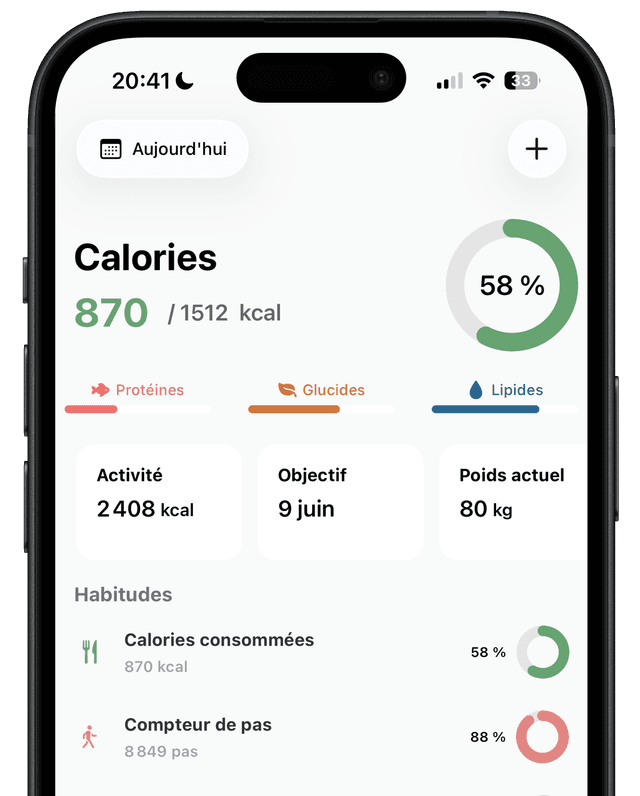
Ember helps you structure your fasting windows to get the most out of caffeine without disrupting your sleep cycle or hormonal balance.
También te puede gustar
Ver todos los artículosRetención de líquidos: comprender y actuar
Causas, síntomas y soluciones prácticas para reducir la retención de líquidos y recuperar la luminosidad y el bienestar.
Hidratación: ¿cuánta agua debes beber al día?
Necesidades diarias de agua, signos de deshidratación, alimentos ricos en agua y consejos prácticos para hidratarte bien durante todo el día.
Entendiendo los macronutrientes
Proteínas, carbohidratos, grasas: aprende el papel de cada macro y cómo equilibrarlos para tu objetivo.