Ketogenic Diet: Everything You Need to Know About Keto
Ketosis, allowed foods, proven benefits, and the adaptation phase: the complete guide to approaching the ketogenic diet with clarity.
 Nutrition
Everything You Need to Know About the Ketogenic Diet
A Diet That Turns Nutritional Logic Upside Down
Imagine eating avocado, scrambled eggs with butter, salmon and cheese... and losing weight. That is exactly what the ketogenic diet offers, and it is what makes it as intriguing as it is confusing for many people accustomed to classic discourse on calories and fat.
The ketogenic diet, often called "keto", is built on a simple but radical principle: drastically reduce carbohydrates to force the body to use fat as its primary fuel. Where most diets ask you to count calories or skip meals, the ketogenic diet invites you to completely rethink the composition of your plate.
Born in the 1920s to treat refractory epilepsy, this way of eating has since been studied for its effects on weight, blood sugar, energy, and even cognitive performance. Today, it counts millions of followers worldwide, with often spectacular results, and just as many legitimate questions.
Ketosis: What Is Really Happening in Your Body
To understand the ketogenic diet, you need to understand ketosis. Under normal circumstances, your body uses glucose, derived from the carbohydrates you eat, as its priority energy source. It is fast, efficient, and it is what your brain demands first.
But when you reduce carbohydrates to less than 50 grams per day (sometimes even 20 to 30 g depending on the protocol), something remarkable happens: your glycogen stores empty within 24 to 48 hours. The body, deprived of its usual fuel, is forced to find an alternative. It turns to fat.
The liver begins breaking down fatty acids to produce ketone bodies: beta-hydroxybutyrate, acetoacetate, and acetone. These molecules become the new fuel for your cells, including your brain, which can use them just as efficiently as glucose. You are officially in a state of ketosis.
This metabolic transition is precisely what distinguishes the ketogenic diet from all other nutritional approaches. Your basal metabolic rate itself can adapt over time, with a progressive recalibration of how your body mobilizes and burns energy.
Documented Benefits: Weight, Energy and Blood Sugar
The ketogenic diet is one of the most studied dietary approaches over the last twenty years. Its documented benefits are real, even if they vary by individual and protocol.
On weight loss, studies regularly show superior short-term results compared to a classic low-fat diet. Two mechanisms explain this: first, reducing carbohydrates leads to a rapid drop in water retention linked to glycogen, which translates into visible weight loss in the first few weeks. Second, ketone bodies have a notable appetite-suppressing effect: many people in ketosis report a natural reduction in appetite, without any particular effort.
On blood sugar and insulin, the effects are among the most robust in the scientific literature. By drastically limiting carbohydrates, insulin spikes after meals are mechanically reduced. For people with prediabetes or insulin resistance, this can represent an important therapeutic lever. Understanding the glycemic index of foods takes on its full meaning in this approach.
Finally, many practitioners describe more stable energy throughout the day, without the mid-day fatigue typical of a high-carbohydrate diet. Once adaptation is complete, the brain fueled by ketone bodies appreciates this regular, smooth energy source.

What You Eat (and What You Avoid)
The ketogenic diet is not just about avoiding bread and pasta. It is a complete restructuring of the plate, with a clear logic: the target macronutrients are around 70 to 75% fat, 20 to 25% protein, and only 5 to 10% carbohydrates.
On the side of foods to prioritize, you will find animal proteins (meat, fatty fish like salmon or mackerel, eggs), good fats like olive oil, avocado, butter, and nuts, as well as leafy green vegetables (spinach, broccoli, cabbage, zucchini) which provide fiber and micronutrients while remaining low in carbohydrates.
On the other hand, foods to strictly exclude are those rich in carbohydrates: cereals, bread, pasta, rice, legumes, most fruits, and of course sugary products and sugary drinks. Even some vegetables like carrots, beets, or corn are limited due to their sugar content.
A practical rule helps navigate: if a food comes from the ground and contains a lot of starch, it is probably off limits. If it is a minimally processed fatty or protein-rich food, it has a place on a ketogenic plate. The quality of the fats consumed remains paramount: favor natural sources and avoid hydrogenated industrial fats.
The Adaptation Phase: Surviving the Keto Flu
Let us be honest: the first few weeks of a ketogenic diet are not always smooth. Between the third and seventh day after reducing carbohydrates, many beginners experience what the keto community calls the "keto flu": intense fatigue, headaches, irritability, difficulty concentrating, and sometimes muscle cramps.
This is not an illness, nor a sign that the diet does not suit you. It is a physiological response to the metabolic transition. When glycogen stores empty, the water linked to glycogen is excreted, taking with it precious electrolytes: sodium, potassium, and magnesium. This is the main cause of the symptoms.
The solution is simple: increase electrolyte intake. This means salting meals more, eating potassium-rich foods (avocado, spinach), and considering magnesium supplementation. Staying properly hydrated is also essential during this period.
For the vast majority of people, these symptoms disappear within 5 to 10 days. Once this hurdle is passed, many describe a mental clarity and energy they had never experienced before. The difficulty is real, but temporary.
Keto and Intermittent Fasting: A Formidable Synergy
The ketogenic diet and intermittent fasting share the same metabolic goal: push the body to draw on its fat reserves. This is why their combination is particularly popular and often recommended by practitioners of both approaches.
Intermittent fasting accelerates entry into ketosis. When you do not eat for 16 hours (typical 16:8 protocol), your glycogen stores empty faster, and your body switches to ketosis mode more easily. Conversely, a diet already rich in fat and low in carbohydrates makes it easier to tolerate long windows without eating, because ketone bodies stabilize blood sugar and reduce the feeling of hunger.
Concretely, many practitioners start with a ketogenic adaptation phase of two to four weeks, then gradually introduce fasting. Others do the reverse. Both approaches reinforce each other to maximize lipolysis, that is, the breakdown of stored fat.
It is worth noting, however, that this combination is not mandatory to achieve results. The ketogenic diet alone already produces a natural caloric deficit for many people, simply because fats and proteins are much more filling and longer-lasting than carbohydrates.

Risks and Limitations You Should Not Ignore
As promising as it is, the ketogenic diet is not without constraints or risks. The first limitation is its restrictiveness: eliminating cereals, legumes, and most fruits can create deficiencies in fiber, certain vitamins (vitamin C, folates), and antioxidants if the diet is not carefully planned.
People with kidney or liver disease should avoid this diet without medical supervision, as the protein and ketone body load can stress these organs. Similarly, people with diabetes on insulin treatment risk ketoacidosis if their blood sugar is not monitored, a situation that requires strict medical supervision.
From a practical standpoint, the ketogenic diet is difficult to maintain long-term: restaurant outings, family meals, and travel considerably complicate strict adherence to the protocol. The slightest infraction can knock you out of ketosis and trigger a new adaptation phase, which can be discouraging.
Finally, the very long-term effects remain poorly documented. What we know with certainty is that the best lasting results in terms of health are obtained with a varied and balanced diet. The ketogenic diet can be a powerful tool over a defined period, but it does not suit everyone as a permanent lifestyle.
Medical Disclaimer
The information presented in this article is provided for educational purposes only and does not constitute medical advice. The ketogenic diet is a restrictive dietary approach that can have significant effects on your metabolism and health. Always consult a doctor or healthcare professional before undertaking a major dietary change, especially if you have diabetes, kidney disease, heart disease, or any other chronic health condition.
Key Takeaways
The ketogenic diet works by depriving the body of carbohydrates to force it to burn fat, a state called ketosis that the body reaches within 24 to 48 hours of carbohydrate restriction. The benefits are real and documented: weight loss, blood sugar stabilization, and more regular energy, provided you get through the adaptation phase. Well planned, this diet largely covers protein and good fat needs, but requires special attention to fiber and micronutrients. Its combination with intermittent fasting amplifies metabolic effects, but is not essential to achieve results. Like any restrictive approach, it is strongly recommended to discuss it with a doctor before starting, especially if you have a medical history.
Track Your Ketogenic Diet with Ember
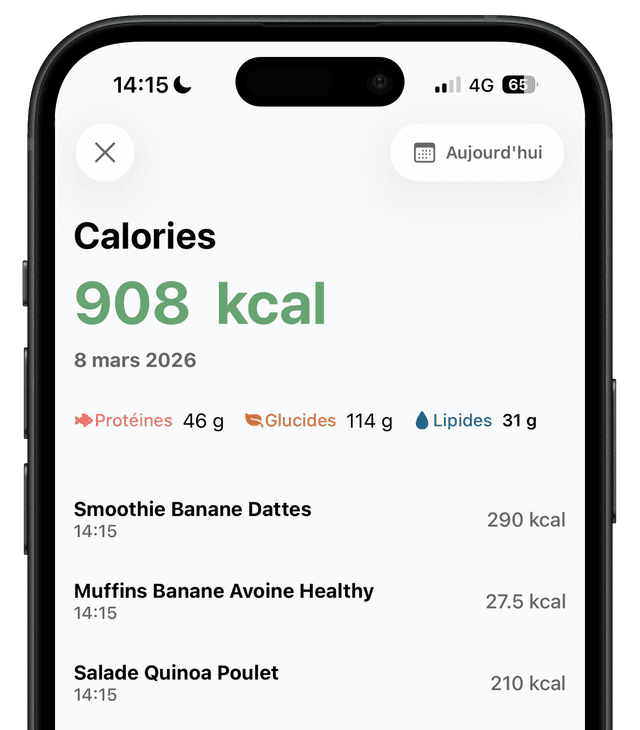
The Ember app helps you track your meals, macronutrient intake, and plan your fasting windows to maximize your results.
You might also like
View all articlesUnderstanding macronutrients
Proteins, carbs, fats: learn the role of each macro and how to balance them for your goal.
Essential micronutrients
Vitamins, minerals, trace elements: discover why these nutrients are vital to your health.
Caloric deficit explained
Understand how to create a healthy, sustainable caloric deficit to lose weight without frustration.