Vitamin B12 Deficiency: The Fatigue That Sleep Won't Fix
Vitamin B12 is essential for your nervous system, blood cell formation and energy levels. Yet its deficiency can go unnoticed for years before causing serious symptoms.
 Santé
SantéVitamin B12 Deficiency: A Complete Guide to Understanding, Preventing and Correcting
The Silent Deficiency That Exhausts Millions of People
There are mornings when you wake up just as tired as the night before, when your concentration slips away and you find yourself searching for words more than usual. You sleep enough, eat reasonably well, make an effort to live healthily, yet this fatigue sets in, persistent and unexplained. What no one tells you is that a single nutrient, synthesized almost exclusively by microorganisms, could be behind all of this.
Vitamin B12, also called cobalamin, is one of the most complex vitamins in the human body. Unlike other B vitamins, it is found naturally only in animal products. And because our bodies cannot produce it, we depend entirely on what we eat, or more precisely, on what we actually absorb.
The World Health Organization estimates that B12 deficiency affects between 6 and 12% of the population in developed countries, with those figures rising considerably among the elderly, vegetarians and vegans. What makes this deficiency particularly dangerous is its slow progression: hepatic B12 stores can last 3 to 5 years before being depleted, meaning symptoms often appear long after the problem has begun.
What Vitamin B12 Actually Does in Your Body
Vitamin B12 is not a run-of-the-mill vitamin. It plays a role in biological mechanisms of remarkable precision, starting with DNA synthesis in all rapidly dividing cells: red blood cells, intestinal mucosal cells, nerve cells. Without sufficient B12, these processes quietly begin to falter.
Its best-known role concerns red blood cell formation. Without B12, red blood cells develop abnormally, growing too large to function properly. This is called megaloblastic anemia, a form of anemia that differs from iron deficiency anemia in its underlying mechanisms, though both cause intense fatigue.
But where B12 is truly irreplaceable is in the nervous system. It participates in the synthesis of myelin, the insulating sheath surrounding nerve fibers that allows rapid transmission of electrical signals. When stores run out, nerves begin to suffer: sensations become blurry, memory falters, and in severe cases, permanent neurological damage can develop. Unlike blood-related symptoms, these nerve injuries are not always reversible even after the deficiency is corrected.
Vitamin B12 also plays a role in regulating homocysteine, an amino acid whose accumulation in the blood is linked to increased cardiovascular risk. By converting homocysteine into methionine, B12, together with folate and vitamin B6, contributes to protecting your arteries. This is a dimension of B12 that is often overlooked and goes far beyond the simple question of energy levels.
Who Is Really at Risk of B12 Deficiency
Assuming that B12 deficiency only affects strict vegetarians misses a much broader picture. While people who eliminate all animal products from their diet are particularly exposed, since B12 is not found in plants, they are far from alone.
Older adults actually represent the most affected population. With age, the stomach produces less hydrochloric acid and intrinsic factor, a protein secreted by gastric cells that is absolutely essential for B12 absorption. It is estimated that 20 to 40% of people over 60 have insufficient absorption, even with a diet rich in B12. Eating meat is no longer enough to guarantee adequate B12 status past a certain age.
Other risk factors deserve attention. Long-term use of metformin, a common medication for type 2 diabetes, interferes with intestinal B12 absorption. Proton pump inhibitors, prescribed for acid reflux, also reduce the acid production needed to release B12 from foods. Additionally, gut microbiome imbalances can disrupt absorption at multiple levels of the digestive tract.
Pregnant women deserve special mention: B12 is essential for fetal neurological development, and a deficiency during pregnancy can have serious consequences. Athletes following very restrictive diets and people with gastrointestinal conditions such as Crohn's disease or atrophic gastritis also belong to the profiles that warrant monitoring.
The Symptoms That Should Raise a Red Flag
The problem with B12 deficiency symptoms is that they look like so many other things. Chronic fatigue, lack of concentration, mood swings: these signals, taken individually, can easily be attributed to stress, lack of sleep or a simple rough patch. This ambiguity is precisely what delays diagnosis for months, sometimes years.
The first signs are often neurological and cognitive: difficulty remembering, brain fog, a sensation of walking on cotton, tingling or numbness in the hands and feet. These unpleasant sensations, known as paresthesias, indicate that nerve fibers are beginning to suffer. They may not be alarming at first, but they deserve close attention as they can worsen if the deficiency goes uncorrected.
Physically, slightly yellowish skin or a sore and smooth tongue can appear. Fatigue intensifies with effort, and breathlessness occurs during activities that previously caused no difficulty. Some people also report marked mood changes: irritability, anxiety, or depressive episodes that nothing quite explains. Links have been observed between low B12 levels and increased vulnerability to the physical effects of chronic stress.
A blood test can confirm the deficiency, but results need careful interpretation. The serum B12 level can sometimes fall within low-normal ranges while concealing a functional deficiency. Additional markers such as homocysteine and methylmalonic acid provide a more reliable picture of true B12 status. If you experience several of these symptoms, particularly tingling combined with significant fatigue, do not wait for numbers to be clearly abnormal before speaking with your doctor.

The Best Dietary Sources of Vitamin B12
Vitamin B12 is produced by bacteria and archaea found in nature. Animals concentrate it in their tissues by consuming it through their diet or gut microbiome. This is why animal products are the only reliable dietary sources for humans.
The absolute champions are organ meats, particularly beef liver, which contains extraordinary amounts of B12: an 85-gram serving can cover several times the recommended daily intake. Shellfish, clams and mussels come in a close second, with very high concentrations. Fatty fish like salmon, herring and tuna, eggs and dairy products such as cheese and yogurt are excellent everyday sources, accessible and easy to incorporate into meals.
For people who reduce or eliminate animal products, alternatives are limited and require careful planning. Some fortified foods such as enriched plant milks or nutritional yeast can provide synthetic B12, but bioavailability varies. If you follow a vegetarian or vegan diet, plant proteins can cover many nutritional needs, but not that of B12: regular supplementation is generally unavoidable, and should be discussed with your doctor or nutritionist.
The recommended daily intake for an adult is around 2.4 micrograms per day, which seems small but requires a varied diet and good absorption capacity. Cooking does not significantly affect B12 in foods, though very high temperatures over extended periods can reduce its content. Varying animal sources throughout the week remains the simplest and most effective strategy for meeting daily needs.

B12, Intermittent Fasting and Absorption: What You Need to Know
Intermittent fasting is widely praised for its effects on weight management, insulin sensitivity and even cellular health. But when practicing fasting, a natural nutritional question arises: does restricting your eating window risk compromising B12 intake?
The good news is that intermittent fasting itself does not disrupt B12 absorption. Cobalamin is absorbed in the ileum, the final portion of the small intestine, through intrinsic factor. This process depends on food being present during a meal, not on meal frequency. In other words, concentrating your meals into an 8-hour window does not compromise B12 absorption if those meals are nutritionally complete and varied.
The real risk lies in the nutritional density of your eating window. If you practice 16:8 or 5:2 fasting and your meals are already restrictive in terms of quantity or diversity, you may not consume enough B12-rich foods throughout the day. This requires extra vigilance, particularly if you combine fasting with vegetarian or vegan eating. In that case, magnesium deficiencies and other micronutrient shortfalls can also accumulate if meals are not well planned.
An interesting observation: some studies suggest that extended fasting periods could slightly alter gastric acid production, which may affect the release of B12 from foods. This effect is likely minor for a standard 12 to 16-hour fast, but it is worth noting for people practicing longer fasts. In any case, if you fast regularly and notice persistent fatigue, a blood panel including B12 testing is well worth considering.
Key Takeaways
Vitamin B12 is an essential nutrient your body can neither produce nor find in plant foods, making it an absolute priority for anyone reducing or eliminating animal products from their diet. Hepatic stores can mask a deficiency for several years, which explains why this deficiency is so often discovered late.
Symptoms to watch for include persistent fatigue, memory issues, tingling in the extremities and unexplained mood changes. Taken together, these signals justify a comprehensive blood panel that includes not just serum B12, but also homocysteine and methylmalonic acid for a reliable assessment.
Diversifying your animal food sources daily, including liver, fatty fish, eggs and dairy, remains the simplest strategy for meeting your needs. For vegetarians, vegans, older adults or those on long-term medication, tailored supplementation is often necessary and should be discussed with a healthcare professional.
Intermittent fasting practiced in moderation does not compromise B12 absorption, but it does require careful attention to the nutritional quality of every meal consumed within the eating window.
Disclaimer
The information in this article is provided for educational and informational purposes only. It does not constitute medical advice and cannot replace consultation with a qualified healthcare professional. If you experience symptoms suggestive of a vitamin B12 deficiency, including persistent fatigue, neurological symptoms or tingling, please consult your doctor, who can prescribe appropriate tests and a treatment plan tailored to your personal situation. Any supplementation should be supervised by a healthcare professional.
Manage Your B12 Intake with Ember
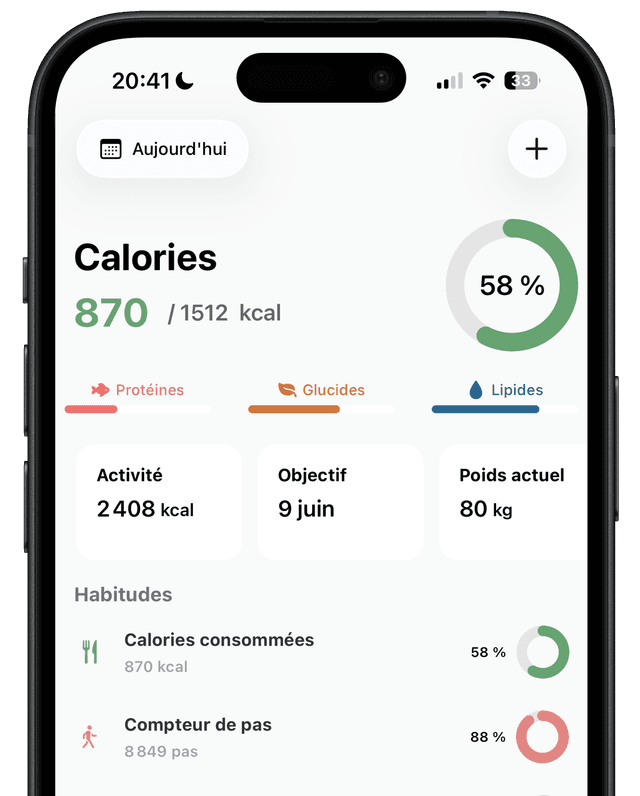
Ember helps you structure your eating windows to maintain sufficient vitamin B12 and essential nutrient intake, even while practicing intermittent fasting.
You might also like
View all articlesWater retention: understand and act
Causes, symptoms and practical solutions to reduce water retention and restore lightness and well-being.
Hydration: how much water should you drink per day?
Daily water needs, signs of dehydration, hydrating foods and practical tips to stay well-hydrated throughout the day.
Understanding macronutrients
Proteins, carbs, fats: learn the role of each macro and how to balance them for your goal.