Dietary Rebalancing: Eating Better Without Ever Going on a Diet
No forbidden foods, no rigid rules, no end date. Dietary rebalancing means learning to eat differently, for good.
 Lifestyle
Dietary Rebalancing: Understand, Start, and Sustain It
What If Diets Were the Real Problem?
You may have tried several diets before. Low-carb, calorie counting, food combining... And each time, the first pounds drop off, motivation soars, then a few weeks later, everything comes back. This cycle is experienced by 90 to 95% of people who follow a restrictive diet. This is not a personal failure: it is a problem with the method.
Dietary rebalancing offers a completely different path. No list of forbidden foods, no end date, no rules to follow under threat of guilt. The central idea: gradually transforming your habits so that healthy eating becomes natural rather than forced. It is the difference between learning to swim and wearing a life jacket. One makes you autonomous, the other keeps you afloat without teaching you anything.
This shift in perspective is often harder to accept than it seems. We are so conditioned to look for a program, clear rules, a promise of results in X weeks, that the idea of a slow, unconstrained transformation can feel vague or insufficiently serious. Yet it is precisely this lack of rigidity that makes dietary rebalancing sustainable where diets fail.
Diet vs. Dietary Rebalancing: A Difference That Changes Everything
A diet is a fixed-term contract with specific rules: avoid carbs, eat under a certain number of calories, only consume certain foods at certain times. This reassuring framework creates the illusion of control, but it maintains a problematic relationship with food. Any slip generates guilt, which encourages compensatory behaviors: you crack, you punish yourself by eating even less, then crack again.
Dietary rebalancing, on the other hand, is not based on any absolute rules. It starts from a simple principle: no food is inherently bad. What matters is frequency, proportion, and context. A festive meal is not a catastrophe if everyday meals are balanced. A Friday night pizza does not ruin a week of good habits. This flexibility is not a weakness: it is precisely what allows you to sustain the approach over the long term.
In practice, this translates into working on your overall habits rather than individual meals. Instead of focusing on what you cannot eat, you learn to enrich your diet: add vegetables, incorporate quality proteins, gradually reduce ultra-processed foods not because they are forbidden, but because you become aware of their real impact. A caloric deficit can even happen naturally, without obsessive tracking, as food choices gradually improve.
The Three Pillars of Successful Dietary Rebalancing
The first pillar is listening to hunger and fullness signals. Most of us have lost this connection with our bodies: we eat because it is mealtime, because we are bored, because food is there. Relearning to distinguish true physical hunger from emotional hunger or habit is a skill that develops slowly, but it transforms the way you eat at a deep level.
The second pillar is food variety. A successful dietary rebalancing does not mean eating clean or following a list of virtuous foods. It means building a varied plate that covers all nutritional needs: proteins for satiety and muscles, quality fats for hormones and the brain, complex carbohydrates for steady energy, and fiber for digestion and gut health. Variety also protects against deficiencies and makes meals more enjoyable over time.
The third pillar, often underestimated, is food pleasure. Eating must remain a source of pleasure, sharing, and culture. A rebalancing that eliminates everything you enjoy is not sustainable. The goal is not to eat perfectly at every meal, but to make choices aligned with your values and desires most of the time. What nutritionists sometimes call the 80/20 rule: eating well 80% of the time and allowing yourself to indulge the remaining 20%.

Where to Start Concretely?
The first step, often the most revealing, is observing your current habits without judging them. Keep a food journal for one week, not to count calories, but to identify recurring patterns: what time do you eat? Which foods appear most often? In what situations do you eat more than expected? This neutral observation raises awareness of your habits without triggering guilt.
Next, the logic of dietary rebalancing recommends adding before subtracting. Rather than eliminating foods you consider unhealthy, start by enriching your diet: one more piece of fruit per day, an extra serving of vegetables at lunch, water before each meal to test true hunger. These gradual additions naturally reshape the role of less interesting foods without creating frustration.
It is also useful to work on your food environment. What you keep at home influences what you eat far more than willpower. Having ready-to-use vegetables, visible fruit, and easily available proteins means putting healthy eating on the path of least resistance. If biscuits are within reach, they will be eaten, not because you are weak, but because that is human nature. Knowing how to avoid cravings often starts with this concrete work on your environment.
Challenging Moments: Social Events, Emotions, and Plateaus
Social events are often cited as the main obstacles to dietary rebalancing. Dinner with friends, a family birthday, an office farewell party: these situations test new habits. The good news is that dietary rebalancing does not require you to refuse birthday cake or order a salad when everyone else is having a generous dish. Instead, it encourages eating mindfully: fully enjoying this festive meal without guilt, and naturally returning to your regular habits at the next meal.
Emotional eating is another frequent challenge. We eat for comfort when we are stressed, sad, or tired. Here too, dietary rebalancing invites observation rather than judgment: why is this craving appearing now? Is it hunger or an emotional need? This observational work does not immediately eliminate the behavior, but it creates a useful distance. The impact of stress on weight is well documented: learning to manage emotions in ways other than eating is a skill that develops gradually.
Weight plateaus are part of the process and do not mean that dietary rebalancing is not working. The body adapts: when habits change, metabolism readjusts. These stagnation periods are normal and often followed by a resumption of weight loss. Rather than panicking and changing everything, it is better to stay the course and observe other indicators of progress: energy levels, sleep quality, relationship with food. Weight loss plateaus have their own logic, and understanding them allows you to get through them without panic.

Intermittent Fasting: A Natural Ally of Dietary Rebalancing
Intermittent fasting and dietary rebalancing share the same underlying philosophy: it is not what you eat at one specific meal that matters, but the overall pattern of habits over time. Intermittent fasting does not ask you to eliminate food groups or count every calorie: it simply structures the times when you eat and when you do not. This temporal structure naturally encourages listening to true hunger signals.
By practicing intermittent fasting, many people report reconnecting with their real appetite. When the eating window is defined, you eat out of true hunger rather than habit or boredom. This reconnection with bodily signals is exactly what dietary rebalancing seeks to cultivate. The two approaches reinforce each other: rebalancing improves the quality of what you eat within the eating window, and fasting improves awareness of when and why you eat.
The combination of the two can also naturally facilitate a caloric deficit, without having to weigh food or calculate macronutrients. When you eat satisfying, varied, and nutritious foods within a reduced time window, the body receives what it needs without excess. It is a way of eating that fits into a normal life while supporting weight and health goals over the long term.
Key Takeaways
Dietary rebalancing is not a diet: it is a gradual transformation of eating habits, without forbidden foods or rigid rules, which makes it a sustainable approach where restrictive diets fail in 9 out of 10 cases. It rests on three complementary pillars: listening to hunger and fullness signals, the diversity of foods consumed, and maintaining food pleasure as an essential component of a healthy relationship with food. Concretely, it means first observing your current habits without judgment, then progressively enriching your diet rather than removing things, and finally shaping your environment so that healthy choices become the default. Challenging moments like social events, emotional eating, or plateaus are part of the journey and should be experienced as useful information about your real needs, not as failures. Intermittent fasting integrates naturally into this approach by strengthening bodily awareness and creating a temporal structure conducive to mindful and balanced eating.
Medical Disclaimer
The information presented in this article is provided for educational and informational purposes only. It does not constitute medical advice, a diagnosis, or a prescription, and is not a substitute for consultation with a qualified healthcare professional.
Dietary rebalancing can have different implications depending on each individual's health status, medical history, ongoing treatments, or specific needs. If you have eating disorders, chronic conditions, or doubts about your diet, consult a doctor, dietitian, or nutritionist before making significant changes to your eating habits.
Results in terms of weight and health vary from person to person. No universal dietary approach suits everyone.
Structure Your Meals with Ember
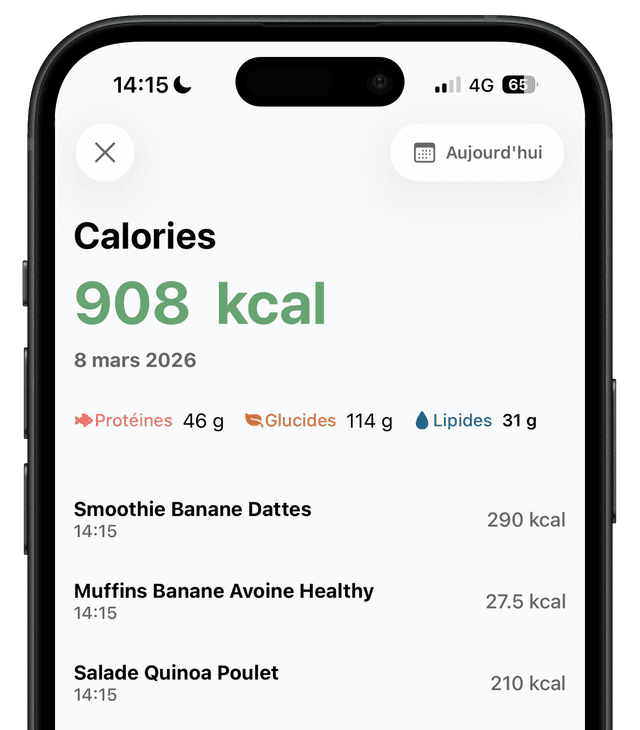
Ember helps you build better eating habits through intermittent fasting, without obsessive calorie counting or unnecessary restrictions.
You might also like
View all articlesHow to avoid food cravings?
Hormonal, emotional or blood-sugar cravings: discover the causes and concrete strategies to control your food urges.
How to eat healthy at a restaurant: our tips
Reading the menu, choosing your dishes, avoiding traps: everything you need to eat well when dining out, without sacrificing enjoyment.
Understanding macronutrients
Proteins, carbs, fats: learn the role of each macro and how to balance them for your goal.