Healthy Snacks: The Right Choice at the Right Time
Hunger can strike between meals at any moment. Knowing what to eat and why changes everything about your daily nutrition.
 Nutrition
Everything You Need to Know About Healthy Snacking
Snacking: A Misunderstood Habit
It is 4 PM. Lunch feels like a distant memory, and dinner is still hours away. A slight twist in the stomach, focus starting to waver, and an irresistible urge to find something to eat. You know this moment. The question is not whether you will eat, but what, and above all why.
Snacking has long been presented as an enemy of weight loss or, conversely, as a dietary must to boost your metabolism. Neither is entirely true. The reality is more nuanced, and deeply personal. A well-chosen snack can help you avoid overeating at the next meal, maintain your energy levels, and stabilize your blood sugar. A poorly chosen snack, on the other hand, can undermine otherwise rigorous dietary efforts.
This article gives you the tools to distinguish real hunger from a passing craving, choose foods that genuinely keep you full until the next meal, and tailor your snacks to your health goals.
Real Hunger or Just Habit: How to Tell the Difference
Before even thinking about what to eat, the fundamental question is: are you truly hungry? This seems obvious, but it is at the heart of many unconscious eating behaviors. Physical hunger builds gradually: a slight emptiness in the stomach, sometimes accompanied by growling, a gentle dip in energy. It typically appears three to five hours after a full meal.
The urge to snack, on the other hand, often comes on suddenly, triggered by boredom, stress, an emotion, or simply the habit of eating at a specific time. It is often focused on a particular type of food: something sweet, salty, or crunchy. If you find yourself specifically craving a packet of biscuits rather than anything to eat, chances are it is a craving rather than hunger.
A simple trick: before getting up to look for a snack, wait ten minutes while doing something else. If the sensation persists and grows stronger, your body probably has a genuine energy need. If it fades, you have just avoided an unnecessary food intake. Learning to manage cravings is one of the most valuable nutritional skills you can develop.
The Best Foods for a Satisfying Snack
Not all snacks are equal when it comes to satiety. A handful of sweets will create a rapid blood sugar spike, followed by a sharp crash that leaves you even hungrier an hour later. An effective snack should keep your energy steady and hold you until the next meal without feeling like a fourth full meal.
Protein is your best ally here. It slows gastric emptying and sends lasting satiety signals to the brain. Plain Greek yogurt, hard-boiled eggs, a handful of nuts, or cottage cheese are protein-rich snacks that genuinely work. Our guide on proteins explains in detail why they are so effective at controlling appetite.
Fiber plays an equally important role: it swells in the stomach, slows carbohydrate absorption, and extends the feeling of fullness. An apple with its skin, raw vegetables with hummus, or a handful of almonds combine fiber and good nutrients for a balanced snack. Our article on fiber-rich foods lists the best sources to incorporate into your daily diet.

What to Absolutely Avoid Between Meals
The food industry understands that snack time is a moment of vulnerability: tired, rushed, and slightly hungry, you are poorly equipped to resist attractive packaging and flavors engineered to make you want more. Ultra-processed products, industrial chocolate bars, packaged cakes, flavored chips, are formulated to override your natural satiety signals.
The main problem with these foods is their richness in added sugars and refined fats, combined with near-zero nutritional density. They create what is called a glycemic spike: a rapid rise in blood glucose, an intense insulin secretion, then a crash that leaves you even more tired and hungry than before. It is a vicious cycle that is hard to break. Our article on added sugar details exactly these mechanisms.
Fruit juices, often perceived as healthy, also deserve a closer look. A glass of orange juice contains as much fast sugar as a soda, without the fiber from the pulp to slow its absorption. Always prefer whole fruit to juice, and whole foods to processed products, even when they display healthy claims on their packaging.
Snacks and Intermittent Fasting: How to Combine Them
If you practice intermittent fasting, the concept of snacking takes on a different meaning. In a 16/8 protocol, you have an eight-hour eating window in which all your meals and any snacks must fit. Outside this window, no caloric intake is desirable: even a small healthy snack is enough to break the fast by reactivating insulin secretion.
In this context, snacking is not eliminated: it is simply placed within a more structured framework. If your eating window runs from noon to 8 PM, a small snack around 4 PM between lunch and dinner is entirely appropriate, especially if your two main meals are several hours apart. The key is that this snack remains light, nutritious, and does not compromise your overall calorie balance.
For those who do not practice fasting but want to better structure their eating, the key is to aim for two to three main meals with at most one or two snacks, and only when hunger is real. Continuous grazing, even of healthy foods, keeps insulin constantly elevated and prevents your body from tapping into its reserves.
Practical Healthy Snack Ideas for the Whole Week
Knowing that a good snack should be protein-rich and fiber-filled is one thing. Having practical, quick ideas for the week is even better. Some combinations work particularly well in real life, with no complex preparation or hard-to-find ingredients.
For a satisfying sweet option, a banana with a tablespoon of almond butter is hard to beat: the natural carbohydrates provide energy, while the fats and protein from the almond slow their absorption. Plain Greek yogurt with a few walnuts and a handful of blueberries is another complete option, rich in protein and antioxidants. In both cases, the glycemic index stays moderate thanks to the combination of nutrients.
If you prefer something savory, carrot and cucumber sticks with hummus make a crunchy, fiber-rich, and moderately caloric snack. A slice of whole-grain bread with avocado or cottage cheese provides quality fats and protein without causing a glycemic spike. To understand why some foods keep you fuller than others, our article on the glycemic index gives you all the answers. And remember to stay well hydrated between meals: thirst is often confused with hunger.

Key Takeaways
A snack is only useful when it responds to genuine physical hunger: distinguishing hunger from the urge to graze is the first step toward more mindful eating. The best snacks combine protein and fiber for lasting satiety and stable blood sugar, without triggering an insulin spike. Ultra-processed products sustain hunger-craving cycles that make dietary control difficult over time, even in small amounts. Intermittent fasting and snacking are not incompatible, as long as snacks are wisely placed within the eating window. Thirst is often mistaken for hunger: before reaching for a snack, start with a large glass of water.
Disclaimer
The information presented in this article is for general educational purposes. Nutritional needs vary depending on the individual, their age, physical activity level, health status, and personal goals. This article does not constitute personalized medical or dietary advice. If you have diabetes, hypoglycemia, an eating disorder, or any condition requiring specific nutritional monitoring, consult a doctor or registered dietitian before changing your eating habits. The snack examples mentioned are provided for informational purposes only and do not replace the recommendations of a healthcare professional.
Plan Your Meals and Snacks with Ember
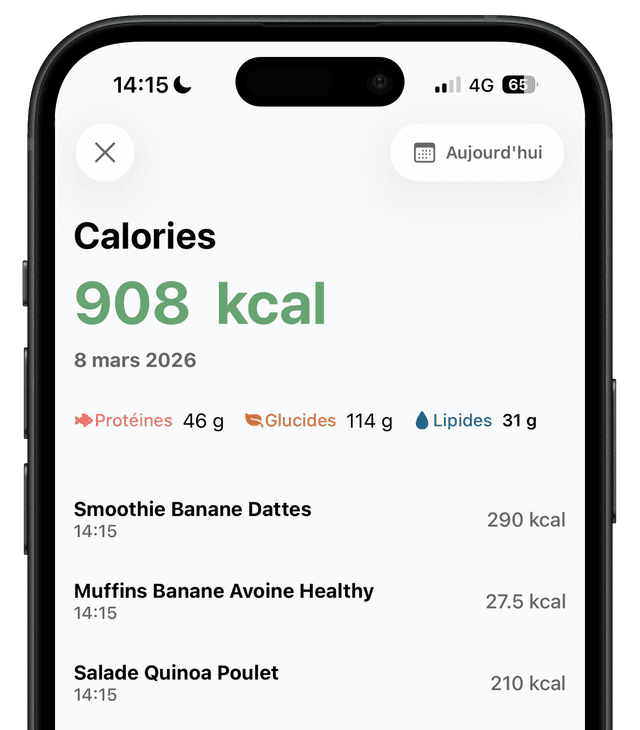
Ember helps you structure your eating windows, track your intake, and tell the difference between real hunger and the urge to snack.
You might also like
View all articlesUnderstanding macronutrients
Proteins, carbs, fats: learn the role of each macro and how to balance them for your goal.
Essential micronutrients
Vitamins, minerals, trace elements: discover why these nutrients are vital to your health.
Caloric deficit explained
Understand how to create a healthy, sustainable caloric deficit to lose weight without frustration.