Batch Cooking: The Complete Guide to Preparing Your Meals for the Week
By dedicating two hours on Sunday to cooking, you can transform your eating habits for the entire week, without stress and without improvisation.
 Lifestyle
Batch Cooking: Everything You Need to Know
Why Batch Cooking Changes Everything
On Sunday evening, you open the fridge and find... nothing ready. You're tired, you don't feel like cooking, and you end up ordering pizza or snacking on whatever's around. This scenario is familiar to most people trying to eat well.
Batch cooking was created precisely to solve this problem. Literally meaning "cooking in batches", this concept involves dedicating one to two hours each week to preparing the foundations of your meals in advance. Not necessarily complete, fully finished dishes, but cooked components that you can quickly combine based on your mood and schedule.
The impact on the quality of your diet is considerable. When the rice is already cooked, the vegetables already roasted, and the chicken already prepared, assembling a balanced meal takes five minutes. The temptation to reach for quick but nutritionally poor options disappears almost entirely, not through willpower, but simply because the good choice becomes the easy choice.
Planning Your Week: The Key to Success
Batch cooking begins well before you set foot in the kitchen. The planning phase is what determines whether your session will run smoothly or turn into chaos.
Start by mapping out your meals for the week, or at least the broad outlines. You don't need a minute-by-minute schedule: just identify the lunches and dinners for which you'll want something ready. Five to six slots cover the needs of most people.
Next, list the ingredients you'll need and check your stock before shopping. Batch cooking relies on versatility: choose foods that work across multiple different recipes. A kilo of chickpeas can become a salad, a soup, or a curry. A good roasted squash pairs with a grain at lunch and poultry in the evening.
Also plan the organization of your cooking session: in what order will you prepare the different components? Start with what takes the longest, like legumes or grains, then handle the quicker preparations while those are cooking. A clear game plan transforms what might seem like a chore into a productive and even enjoyable session.
The Best Foods for Batch Cooking
Not all foods lend themselves equally well to batch cooking. Some retain excellent quality after several days in the fridge or after freezing, while others lose their texture or flavor by the next day.
Grains and legumes are the undisputed stars of batch cooking. Brown rice, quinoa, bulgur, lentils, chickpeas, kidney beans: all can be cooked in large quantities, keep for five to six days in the fridge, and freeze very well. They form the energetic and protein foundation of your week's meals.
Roasted vegetables are equally ideal: peppers, zucchini, carrots, sweet potatoes, beets. Once passed through the oven at 200 degrees with a drizzle of olive oil, they keep for four to five days and slide easily into salads, omelets, or hot dishes. Leafy greens like spinach can be quickly sautéed and keep for two to three days.
On the protein side, roasted or poached chicken, hard-boiled eggs, steamed salmon, and grilled tofu are all good choices. Hard-boiled eggs keep for a week unpeeled. Red meats and fish, however, are better consumed within the first two days after preparation.
Some foods are better prepared at the last minute: avocados brown quickly, fresh salad leaves wilt, and dishes with creamy sauces don't hold as well. Reserve these elements for the final assembly.
Step-by-Step Method for a Successful Session
An effective batch cooking session follows precise logic. The goal is to put your oven, stovetop, and countertop to work in parallel to save as much time as possible.
Start by soaking dried legumes if you're using them (the night before is ideal), then get them cooking first. Chickpeas and beans take between forty-five minutes and an hour and a half. Meanwhile, preheat the oven and prepare your vegetables for roasting.
While legumes and vegetables cook in the oven, get your grains going on the stovetop. Brown rice takes twenty-five to thirty minutes, quinoa fifteen. Use these waiting times to prepare your proteins: poach the chicken, grill the tofu, cook the hard-boiled eggs.
Cutting and preparing raw vegetables comes last, once the long cooking processes are underway. Grated carrots, sliced cucumbers, sliced radishes: these fresh preparations keep for three days in airtight containers with a little water at the bottom for firm-fleshed vegetables.
In two hours of organized cooking, you can have grains, legumes, roasted vegetables, raw vegetables, one or two protein sources, and possibly a soup or broth ready for the week. That's the foundation for about fifteen balanced meals assembled in just a few minutes.
Storage and Organization: Best Practices
Storage is a step that's often overlooked, yet it largely determines whether batch cooking succeeds over the long term.
Investing in good airtight containers is essential. Glass boxes with lids are ideal: they're microwave-safe, don't retain odors, and let you immediately see what's inside. Good-quality food-grade plastic containers work too, as long as you avoid heating fatty or acidic foods in them. Stock up on different sizes: large containers for grains and legumes, small ones for individual portions.
For the fridge, the general rule is: cooked grains and legumes keep for five to six days, cooked vegetables for four to five days, proteins for two to three days depending on the type, and raw vegetables for two to three days in a container with a little water. Label your boxes with the preparation date when you're just starting out.
The freezer is your best ally for going even further. Soups, cooked legumes, grain portions, and some preparations like meatballs or fish portions freeze very well and keep for two to three months. Prepare individual portions before freezing to make it easier to defrost progressively throughout the week.
Good fridge organization also makes a big difference. Place ready-to-use preparations at eye level, in the most accessible zone. What's visible is what gets eaten first.

Batch Cooking and Intermittent Fasting: The Winning Combination
Batch cooking and intermittent fasting form a particularly effective combination for those looking to improve their diet and manage their weight.
Intermittent fasting, whether following a 16:8 protocol or another variation, involves concentrating all your meals into a defined eating window. This time constraint makes the quality of each meal even more important: you have fewer opportunities to eat, so each meal needs to properly nourish your body and keep you satiated longer.
This is exactly what batch cooking makes possible. When you open your eating window after several hours of fasting, you don't have the time or desire to cook from scratch. Having healthy preparations already ready in the fridge prevents you from reaching for the first quick option available, which is often ultra-processed and not very satisfying.
The typical batch cooking foods, particularly legumes, whole grains, and lean proteins, also have a moderate to low glycemic index, which promotes stable blood sugar after meals. This glycemic stability is valuable in intermittent fasting: it extends satiety, reduces cravings during the fasting period, and makes it easier to maintain the eating window.
Finally, preparing meals in advance allows you to better control your intake of protein, fiber, and quality fats, three key nutrients for supporting muscle mass and well-being during periods of dietary restriction.
Getting Started Without Getting Discouraged
The biggest obstacle to batch cooking isn't a lack of time, it's the fear of getting started. Here's how to begin without putting pressure on yourself.
Start small: there's no need to prepare twenty meals in your first session. Choose just two or three bases: a kilo of cooked rice, some roasted vegetables, and hard-boiled eggs. That's already enough to make several meals of the week easier. Gradually increase the quantity and variety over the following weeks.
Choose a fixed time slot during the week and stick to it like an appointment. Sunday afternoon or Saturday morning works well for most people. Consistency is more important than duration: an hour and a half each week delivers more value than three hours every two weeks.
At the start, stick to recipes and techniques you already know. Steaming, roasting in the oven, and boiling are the three basic techniques that cover 90% of your needs. The idea is to create a lasting habit, not to set an impossible standard for yourself over the long term. With a few weeks of practice, batch cooking becomes as natural a routine as doing your weekly shopping.
Disclaimer
The information presented in this article is provided for educational and informational purposes only. It does not constitute personalized nutritional advice or medical guidance.
The storage times indicated are general recommendations. They may vary depending on storage conditions, equipment used, and the initial freshness of the ingredients. If in doubt about the freshness of a preparation, it is better to discard it. Consult a healthcare professional or dietitian if you have specific dietary needs or particular medical constraints.
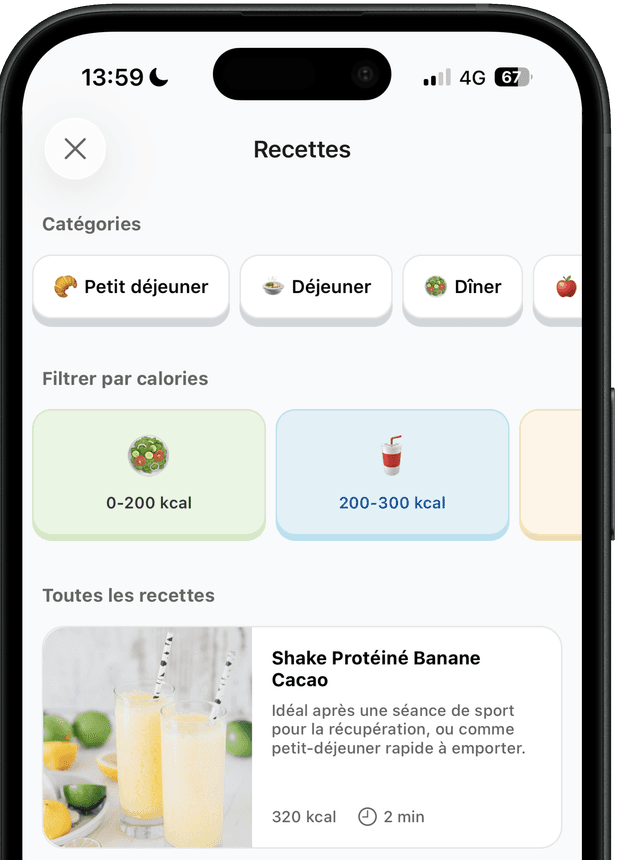
Optimize your meals with intermittent fasting
Ember helps you structure your eating windows and make the most of your batch cooking preparations throughout the week.
You might also like
View all articlesHow to avoid food cravings?
Hormonal, emotional or blood-sugar cravings: discover the causes and concrete strategies to control your food urges.
How to eat healthy at a restaurant: our tips
Reading the menu, choosing your dishes, avoiding traps: everything you need to eat well when dining out, without sacrificing enjoyment.
Understanding macronutrients
Proteins, carbs, fats: learn the role of each macro and how to balance them for your goal.