Why Your Stomach Bloats After Meals
Bloating isn't inevitable. Understanding what's happening in your gut is the first step toward feeling lighter after you eat.
 Santé
SantéUnderstanding and Relieving Bloating After Meals
That stomach that bloats, even after a light meal
You've just finished eating and already your waistband feels tight. Your stomach is tense, sometimes painful, and it feels like you swallowed a balloon instead of a plate of food. This happens to a large share of people occasionally, and regularly for many others.
The good news is that in the vast majority of cases, a bloated stomach isn't a cause for concern. It's an ordinary digestive process, tied to gas production and how the gut reacts to what you feed it. Understanding this mechanism changes everything: instead of just enduring it, you can act on it.
Why your stomach bloats after eating
Bloating is mostly a story about gas. Every day, the gut produces and releases on average 1 to 2 liters of gas, coming from bacterial fermentation of food and from air swallowed during meals. When that production temporarily outpaces the gut's ability to release it, the abdomen distends and that tight, heavy feeling sets in.
This isn't constant throughout the day: it's usually more noticeable at the end of a meal and in the evening, once the gut has had time to accumulate digestive residue. Some people also have a gut that's more sensitive to this distension, which explains why two people eating the exact same meal can feel very different levels of discomfort.
The foods that ferment the most in your gut
Some foods are naturally more fermentable than others, meaning they feed gut bacteria more heavily, which then produce more gas while digesting them. Legumes, cabbage family vegetables, raw onion, and some fruits like apples or pears fall into this category. That's not a problem in itself, but quantity and frequency can make a real difference.
Ultra-processed foods add another layer to the problem. Sweeteners like sorbitol or xylitol, common in low-calorie products and chewing gum, are poorly absorbed by the small intestine and ferment quickly once they reach the colon. Carbonated drinks, meanwhile, add gas directly into the digestive system.
A few simple habits help limit excess without cutting anything out completely:

How you eat matters as much as what's on your plate
Eating fast, talking while eating, or wolfing down a meal standing up between tasks all encourage swallowing air, one of the leading causes of bloating. This process, known as aerophagia, often shows up as early bloating, within the first few bites, well before actual digestion has even begun.
Stress also has a direct effect on digestion. Under pressure, the nervous system reduces blood flow to the gut and slows its activity, which encourages food to sit longer and ferment more. Eating in a calm setting, chewing more thoroughly, and putting your fork down between bites are simple habits that noticeably reduce digestive discomfort.
The central role of the gut microbiome
Every gut hosts a community of trillions of bacteria, unique to each person. This gut microbiome largely determines how much gas gets produced during digestion, which is why some people tolerate legumes or cruciferous vegetables just fine while others feel it immediately.
An imbalanced microbiome, for instance after a course of antibiotics or a period of very low fiber intake, can temporarily become more prone to fermentation. Reintroducing a variety of fibers gradually, rather than all at once, gives good bacteria time to adjust without triggering a spike in fermentation.
Daily habits that relieve a bloated stomach
Drinking enough throughout the day supports transit and limits food sitting too long in the colon, one of the main drivers of excess fermentation. Proper hydration remains one of the simplest and most underrated habits against bloating.
Spacing meals further apart, rather than snacking continuously, also gives the gut time to complete one digestive cycle before starting another. That's one of the benefits often reported by people practicing intermittent fasting: less random snacking, more complete digestion phases, and a stomach that's generally under less constant strain.
A ten-minute walk after eating also activates gut motility and helps gas move along more easily, which can be enough to defuse discomfort before it builds up.

Key Takeaways
Bloating after a meal is an ordinary digestive process, caused by the natural production of intestinal gas and by air swallowed while eating. Certain fermentable foods, sweeteners, and carbonated drinks amplify this in sensitive people, without that being a problem on its own. How you eat matters as much as what you eat: eating slowly, calmly, and chewing thoroughly noticeably reduces discomfort. The gut microbiome explains much of the difference in tolerance from one person to another when eating the exact same foods. Drinking enough water, spacing out meals, and moving after eating remain the simplest and most effective habits for feeling lighter day to day.
Medical Disclaimer
The information in this article is for general educational purposes only. It does not constitute medical advice or a personalized recommendation. Frequent, intense bloating accompanied by significant pain, unexplained weight loss, or blood in the stool should prompt a visit to a doctor, as these can signal a digestive condition requiring diagnosis and appropriate care. Pregnant women, people with chronic conditions, or those taking medication should consult their doctor before significantly changing their diet. This article is not a substitute for professional medical advice.
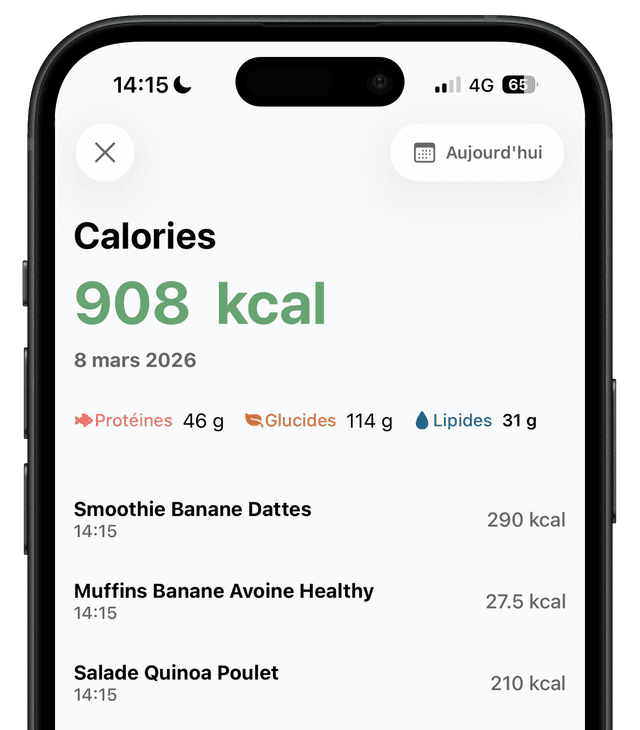
Track your meals to spot what bloats you
With Ember, log your meals and how you feel afterward to spot the foods that weigh on your stomach.
You might also like
View all articlesWater retention: understand and act
Causes, symptoms and practical solutions to reduce water retention and restore lightness and well-being.
Hydration: how much water should you drink per day?
Daily water needs, signs of dehydration, hydrating foods and practical tips to stay well-hydrated throughout the day.
Understanding macronutrients
Proteins, carbs, fats: learn the role of each macro and how to balance them for your goal.